


| SNo. | Scientific Name | Locality | Habitat | Basis of Record | Description | Recorded By | Record Number | Island | Source | Date |
|---|---|---|---|---|---|---|---|---|---|---|
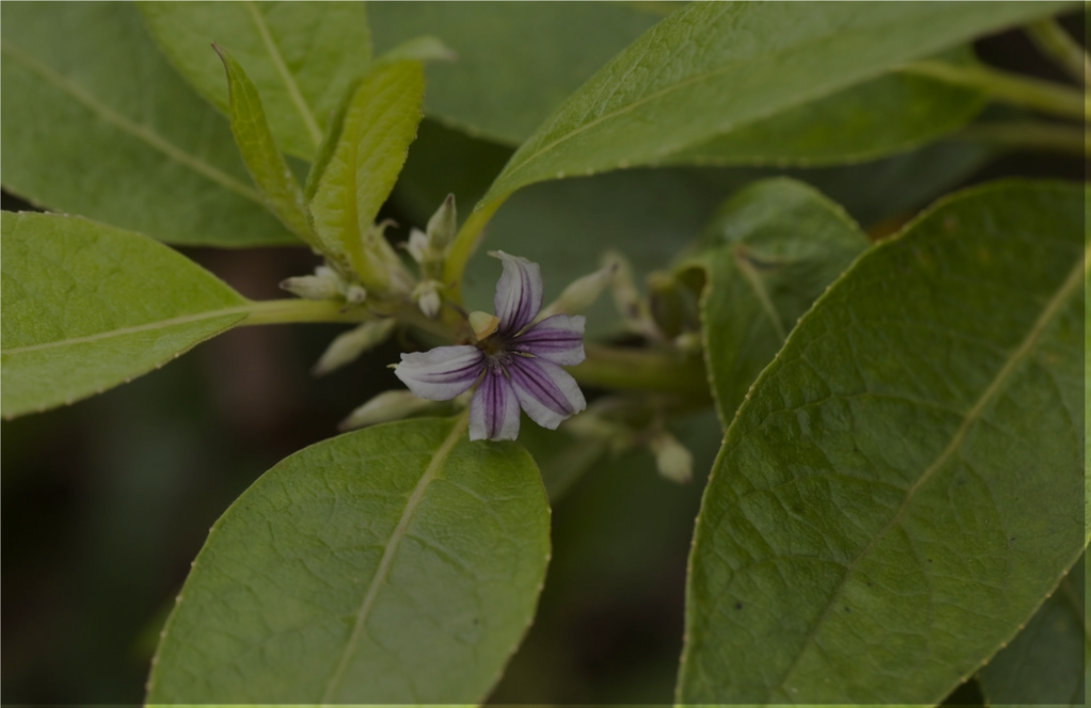
| 1 | Delissea argutidentata | Locality redacted. Contact Bishop Museum Botany Department for details | Preserved_Specimen | Single stems 3-4 1/2 ft high; calyx green on lower 1/2, dark-red upper 1/2; corolla white, red-dotted at mid., lobes & male & female pea-green. | Forbes, C.N. | 196 | Hawaii | BISH | 1911-06-17 | |
| 2 | Delissea argutidentata | Locality redacted. Contact Bishop Museum Botany Department for details | Preserved_Specimen | Rock, J.F.C. | Hawaii | BISH | 1912-01-01 | |||
| 3 | Delissea argutidentata | Locality redacted. Contact Bishop Museum Botany Department for details | Preserved_Specimen | Rock, J.F.C. | 10053 | Hawaii | BISH | 1912-02-14 | ||
| 4 | Delissea argutidentata | Locality redacted. Contact Bishop Museum Botany Department for details | Preserved_Specimen | Gillett, G.W. | 1969 | Hawaii | BISH | 1968-08-09 | ||
| 5 | Delissea argutidentata | Locality redacted. Contact Bishop Museum Botany Department for details | Preserved_Specimen | Rock, J.F.C. | 3950 | Hawaii | BISH | 1909-06-15 | ||
| 6 | Delissea argutidentata | Locality redacted. Contact Bishop Museum Botany Department for details | Preserved_Specimen | Rock, J.F.C. | Hawaii | BISH | 1912-01-01 | |||
| 7 | Delissea argutidentata | Kanahaha, Kona | Preserved_Specimen | Forbes, C.N. | 264 | Hawaii | BISH | 1911-06-26 | ||
| 8 | Delissea argutidentata | Locality redacted. Contact Bishop Museum Botany Department for details | Preserved_Specimen | Rock, J.F.C. | Hawaii | BISH | 1958-04-01 | |||
| 9 | Delissea argutidentata | Kanahaha, Kona | Preserved_Specimen | Forbes, C.N. | 264 | Hawaii | BISH | 1911-06-26 | ||
| 10 | Delissea argutidentata | Locality redacted. Contact Bishop Museum Botany Department for details | A dry cinder cone with kikuya grass and a few koa trees. | Preserved_Specimen | The 3 plants were in full flower with small greenish-white flowers. Apices of all 3 plants destroyed; lateral branches developed. No regeneration occuring; perhaps the kikuya grass is too successful. | Herbst, D.R. | 2141 | Hawaii | BISH | 1971-09-16 |
| 11 | Delissea argutidentata | Locality redacted. Contact Bishop Museum Botany Department for details | Grown in a pot. | Preserved_Specimen | Collected from a propagated plant. Potted plant: 3 ft. height, 12 in. spread, 3/5 in. basal diameter. Excellent vigor, shrub with many small fruit which do not mature. | Clarke, G. | 626 | Hawaii | BISH | 1981-09-21 |
Lorem ipsum dolor sit amet, consectetur adipiscing elit, sed do eiusmod tempor incididunt ut labore et dolore magna aliqua. Ut enim ad minim veniam, quis nostrud exercitation ullamco laboris nisi ut aliquip ex ea commodo consequat. Duis aute irure dolor in reprehenderit in voluptate velit esse cillum dolore eu fugiat nulla pariatur. Excepteur sint occaecat cupidatat non proident, sunt in culpa qui officia deserunt mollit anim id est laborum.
Lorem ipsum dolor sit amet, consectetur adipiscing elit, sed do eiusmod tempor incididunt ut labore et dolore magna aliqua. Ut enim ad minim veniam, quis nostrud exercitation ullamco laboris nisi ut aliquip ex ea commodo consequat. Duis aute irure dolor in reprehenderit in voluptate velit esse cillum dolore eu fugiat nulla pariatur. Excepteur sint occaecat cupidatat non proident, sunt in culpa qui officia deserunt mollit anim id est laborum.
Lorem ipsum dolor sit amet, consectetur adipiscing elit, sed do eiusmod tempor incididunt ut labore et dolore magna aliqua. Ut enim ad minim veniam, quis nostrud exercitation ullamco laboris nisi ut aliquip ex ea commodo consequat. Duis aute irure dolor in reprehenderit in voluptate velit esse cillum dolore eu fugiat nulla pariatur. Excepteur sint occaecat cupidatat non proident, sunt in culpa qui officia deserunt mollit anim id est laborum.
Lorem ipsum dolor sit amet, consectetur adipiscing elit, sed do eiusmod tempor incididunt ut labore et dolore magna aliqua. Ut enim ad minim veniam, quis nostrud exercitation ullamco laboris nisi ut aliquip ex ea commodo consequat. Duis aute irure dolor in reprehenderit in voluptate velit esse cillum dolore eu fugiat nulla pariatur. Excepteur sint occaecat cupidatat non proident, sunt in culpa qui officia deserunt mollit anim id est laborum.
Lorem ipsum dolor sit amet, consectetur adipiscing elit, sed do eiusmod tempor incididunt ut labore et dolore magna aliqua. Ut enim ad minim veniam, quis nostrud exercitation ullamco laboris nisi ut aliquip ex ea commodo consequat. Duis aute irure dolor in reprehenderit in voluptate velit esse cillum dolore eu fugiat nulla pariatur. Excepteur sint occaecat cupidatat non proident, sunt in culpa qui officia deserunt mollit anim id est laborum.
Lorem ipsum dolor sit amet, consectetur adipiscing elit, sed do eiusmod tempor incididunt ut labore et dolore magna aliqua. Ut enim ad minim veniam, quis nostrud exercitation ullamco laboris nisi ut aliquip ex ea commodo consequat. Duis aute irure dolor in reprehenderit in voluptate velit esse cillum dolore eu fugiat nulla pariatur. Excepteur sint occaecat cupidatat non proident, sunt in culpa qui officia deserunt mollit anim id est laborum.
Thank you for your interest in submitting an image of
Select your image and leave a brief description of your photo below.