




| SNo. | Scientific Name | Locality | Habitat | Basis of Record | Description | Recorded By | Record Number | Island | Source | Date |
|---|---|---|---|---|---|---|---|---|---|---|
| 1 | Dianella sandwicensis | SW Makua Valley, head | partly shady, foggy at night | Preserved_Specimen | Degener, O. | 5538 | Oahu | BISH | 1932-01-03 | |
| 2 | Dianella sandwicensis | Drive up Mauna Loa Strip Road about 3 miles from intersection with Kona-Hilo Highway and 0.25 miles before Kipuka Ki; or about 1 mile past Kipuka Puaulu just after first sharp turn in road | Metrosideros - native shrub - lichen community on aa lava | Preserved_Specimen | Herb about 1.5 feet tall | Newell, C.L. | 289 | Hawaii | BISH | 1966-08-04 |
| 3 | Dianella sandwicensis | Keauhou Ranch, Kau district | Gowing on 'a'a with Metrosideros, Styphelia, Dodonaea, Machaerina gahniiformis, Trisetum glomeratum, and Vaccinium calycinum. Growing in full sun, mostly as scattered individuals. | Preserved_Specimen | Herb with sky-blue fruit | Davis, J. | 372 | Hawaii | BISH | 1980-09-24 |
| 4 | Dianella sandwicensis | Pahole Gulch; drainage #1 - releve 5 | Under a canopy of Acacia; Pelea; Psidium cattleianum; Bidens torta; Wikstroemia. | Preserved_Specimen | Welton, P. | 496 | Oahu | BISH | 1990-06-09 | |
| 5 | Dianella sandwicensis | East Maui, Haleakala crater, Oili Puu, E base of cinder cone | low scrub | Preserved_Specimen | St.John, H. | 21221 | Maui | BISH | 1945-08-28 | |
| 6 | Dianella sandwicensis | SE Makua Valley | open forest | Preserved_Specimen | Degener, O. | 20740 | Oahu | BISH | 1950-09-17 | |
| 7 | Dianella sandwicensis | East Maui, Hana District, Hana, Kauiki, N side to lighthouse | Casuarina grove with Scaevola and Nephrolepis | Preserved_Specimen | flower buds blue; sepals light blue; petals slightly darker; mature fruit azure blue | Flynn, T.W. | 2555 | Maui | BISH | 1987-10-23 |
| 8 | Dianella sandwicensis | Pupukea-Kahuku trail | forest | Preserved_Specimen | Christophersen, E. | 1388 | Oahu | BISH | 1930-08-12 | |
| 9 | Dianella sandwicensis | Waimea District. Waialae, headwater streamlet south of Kaluahaulu Ridge Trail. | Acacia-Metrosideros montane mesic forest w/ Alphitonia ponderosa, Planchonella sandwicensis, Diospyros sandwicensis, Leptecophylla tameiameiae, Santalum pyrularium, Dracaena aurea, Pittosporum glabrum, Cheirodendron trigynum Ilex | Preserved_Specimen | Perrenial herb, terrestrial with creeping and clumping rhizomes, anthers yellow, tepals, pale blue, common. | Wood, K.R. | 18924 | Kauai | BISH | 2022-03-02 |
| 10 | Dianella sandwicensis | Drive down Crater Rim Road about 15 meters toward Volcano Observatory from the short strip of road connecting Crater Rim Road and Kona-Hilo Highway. Plant was about 40 meters to the right of road from 35 mph sign. (plot 50) | Scattered Metrosideros - native shrub - lichen community on ash-covered pahoehoe lava | Preserved_Specimen | Herb about 2 feet tall, sky-blue fruits. | Newell, C.L. | 451 | Hawaii | BISH | 1966-08-19 |
| 11 | Dianella sandwicensis | W Maui, Lahaina District, N Puu Kukui, between Haelaau and Nakalalua | ridge | Preserved_Specimen | Cranwell, L.M. | 2776 | Maui | BISH | 1938-08-01 | |
| 12 | Dianella sandwicensis | Kokee, Halemanu lookout | undergrowth, koa forest | Preserved_Specimen | to 1 m; leaves linear-lanceolate, near base, 80x3 cm; penicle long; fruit dark purple ovoid berry | Spence, G. | 187 | Kauai | BISH | 1973-07-24 |
| 13 | Dianella sandwicensis | SE Makua Valley | open forest | Preserved_Specimen | Degener, O. | 20741 | Oahu | BISH | 1950-09-17 | |
| 14 | Dianella sandwicensis | Kanehoa | dry ridge | Preserved_Specimen | 3 m; flower and fruit purple | Hume, E.P. | 113 | Oahu | BISH | 1931-03-22 |
| 15 | Dianella sandwicensis | SW Mauna Loa, Puu Ohohia | with Metrosideros, Acacia, Dodonaea, Styphelia, Vaccinium; on cinder | Preserved_Specimen | Higashino, P.K. | 6330 | Hawaii | BISH | 1977-08-05 | |
| 16 | Dianella sandwicensis | ridge R side of Makua Valley, head | partly shady, foggy at night | Preserved_Specimen | Degener, O. | 5537 | Oahu | BISH | 1932-06-26 | |
| 17 | Dianella sandwicensis | Drive down Crater Rim Road about 15 meters toward Volcano Observatory from the short strip of road connecting Crater Rim Road and Kona-Hilo Highway. Plant was about 40 meters to right of road from 35 mph sign. (plot 50) | Scattered Metrosideros - native shrub - lichen community on ash-covered pahoehoe lava | Preserved_Specimen | Herb about 2 feet tall, sky-blue fruits. | Newell, C.L. | 452 | Hawaii | BISH | 1966-08-19 |
| 18 | Dianella sandwicensis | E ridge, Kaipapau Valley | windy, rainy slope | Preserved_Specimen | Degener, O. | 9984 | Oahu | BISH | 1935-07-07 | |
| 19 | Dianella sandwicensis | NE ridge of Kaiholena Valley | shrubby, foggy slope | Preserved_Specimen | Degener, O. | 24293 | Lanai | BISH | 1957-08-17 | |
| 20 | Dianella sandwicensis | NE ridge of Puu Hapapa | exposed partly shrubby slope | Preserved_Specimen | Degener, O. | 21064 | Oahu | BISH | 1950-10-22 | |
| 21 | Dianella sandwicensis | Kaala, Waianae Mts | edge of bog | Preserved_Specimen | Cowan, R.S. | 324 | Oahu | BISH | 1946-11-17 | |
| 22 | Dianella sandwicensis | Kapano Gulch, Kaluhi | Wooded gulch | Preserved_Specimen | Fl. Pale bluish | Lanai | BISH | |||
| 23 | Dianella sandwicensis | Kalauao Ridge, Ewa FR, Koolau Mts | open, woods | Preserved_Specimen | St.John, H. | 12994 | Oahu | BISH | 1933-03-29 | |
| 24 | Dianella sandwicensis | S Kipapa Gulch, Koolau Mts | wooded ridge | Preserved_Specimen | Hosaka, E.Y. | 1222 | Oahu | BISH | 1933-08-27 | |
| 25 | Dianella sandwicensis | Kahauiki-Kalihi ridge, Koolau Mts | undergrowth | Preserved_Specimen | Nishida, T. | Oahu | BISH | 1943-12-09 | ||
| 26 | Dianella sandwicensis | Haleakala, Kaupo Gap | lava | Preserved_Specimen | Degener, O. | 5528 | Maui | BISH | 1927-08-20 | |
| 27 | Dianella sandwicensis | East Maui, Haleakala, Holua | shrubs in depression in lava flow | Preserved_Specimen | Degener, O. | 25293 | Maui | BISH | 1959-05-31 | |
| 28 | Dianella sandwicensis | Puu Hapapa, Waianae Mts., Honouliuli | grassy bank | Preserved_Specimen | St.John, H. | 10433 | Oahu | BISH | 1930-03-16 | |
| 29 | Dianella sandwicensis | Waimea, Na Pali-Kona Forest Reserve, Makaha Valley, N of Kokio-keokeo picnic area | with Acacia koa, Metrosideros, Pelea, Antidesma, Nestegis, Hedyotis | Preserved_Specimen | multiple stems, distichous leaves; tepals whitish tinged with purple, dorsally greenish, young fruit purple | Lorence, D.H. | 5226 | Kauai | BISH | 1987-05-15 |
| 30 | Dianella sandwicensis | S Kipapa Gulch, Waipio, Koolau Mts | wooded ridge | Preserved_Specimen | Hosaka, E.Y. | 1105 | Oahu | BISH | 1933-07-02 | |
| 31 | Dianella sandwicensis | Haleakala, Kaupo Gap | lava | Preserved_Specimen | Degener, O. | 5528 | Maui | BISH | 1927-08-20 | |
| 32 | Dianella sandwicensis | summit mauka of Laie Point | windswept | Preserved_Specimen | Degener, O. | 24802 | Oahu | BISH | 1957-06-09 | |
| 33 | Dianella sandwicensis | Waimea, Kokee-Halemanu trail, Camp Sloggett to Valley | ridge; with Acacia koa, Metrosideros | Preserved_Specimen | large pure strand, 20x6 m; stems to 0.5 m, leaves distichous; tepals blue, anthers yellow | Lorence, D.H. | 5807 | Kauai | BISH | 1988-02-17 |
| 34 | Dianella sandwicensis | E Makaleha Valley | open forest | Preserved_Specimen | Degener, O. | 20688 | Oahu | BISH | 1950-07-04 | |
| 35 | Dianella sandwicensis | Kawaiiki Valley, off Kaluahaulu ridge, N facing slope, in the Diellia erecta f. alexandri fence | Mixed Mesic Forest canopy of Acacia koa and Metrosideros polymorpha w/ Tetraplasandra, Cheirodendron trigynum, Dianella sandwicensis, Poa sandwicensis, Bidens cosmoides, Dubautia laevigata, Kadua affinis, Cryptocarya mannii, Peperomia. | Preserved_Specimen | Common in understory. Procumbent, branching at base. Fls outter whorl w/ purple tint, inner very light purple near white. Frt causing yellow finger stain. Buds green to purple. Some lvs w/ orange rust spots. | Tangalin, N. | 2334 | Kauai | BISH | 2010-06-01 |
| 36 | Dianella sandwicensis | W Honomuni, ridge | wooded | Preserved_Specimen | petals blue | St.John, H. | 25168 | Molokai | BISH | 1953-12-23 |
| 37 | Dianella sandwicensis | Manuka NAR;, nature trail up to Kipuka Kilioe | Metrosideros lowland mesic forest ca 25 - 30 m tall. W/ understory of Nestegis, Pisonia, Charpentiera, Psychotria hawaiiensis, Claoxylon, Myrsine lessertiana, Dodonaea viscosa, Alyxia oliviformis, Pipturus albidus, Antidesma platyphyllum & A. pulvinatum. | Preserved_Specimen | terrestrial, small inflorescence, mature frt sky blue, uncommon. | Wood, K.R. | 13210 | Hawaii | BISH | 2008-08-07 |
| 38 | Dianella sandwicensis | Ridgeline to the west of Manana trail. Central Koolau Mountains. | Growing on ridgeline with Metrosideros polymorpha, Acacia koa, Dicranopteris linearis, Odontosoria chinensis, Lindsaea ensifolia, Leptospermum scoparium, Psidium cattleianum, Schinus terebinthifolius, and others. | Preserved_Specimen | Fruit tear shaped, producing doodoo brown dye. | Thomas, M.K. | 666 | Oahu | BISH | 2024-05-20 |
| 39 | Dianella sandwicensis | Keauhou Ranch, Kau District, on eastern part of Keamoku lava flow | At base of Metrosideros tree on `a`a in open Metrosideros scrub. | Preserved_Specimen | Terrestrial plant 2' tall. Fruit light-blue in color. | Cuddihy, L.W. | 570 | Hawaii | BISH | 1980-09-24 |
| 40 | Dianella sandwicensis | East Maui, Makawao Forest Reserve, Kahakapao Loop Trail to Fong Road. | on the edge of gulch. Metosideros-Acacia koa-Dicranopteris Montane Forest W/ Metrosidros, Dicranopteris, A. koa, Alyxia stellata, Vaccinium calycinum, Scaevola chamissoniana, Psidium guajava, Kadua affinis, Smilax, Setaria palmifolia, Fraxinus uhdei, Carex wahuensis, Dryop | Preserved_Specimen | Large clump on edge of gulch. Fruit stain dark yellow. Flowers white w/slight purple tint. Stamens yellow. Base of leaf blades constricted. Roots w/ fine hairs. | Tangalin, N. | 3492 | Maui | BISH | 2013-04-13 |
| 41 | Dianella sandwicensis | Pupukea-Kahuku trail | forest | Preserved_Specimen | Christophersen, E. | 1388 | Oahu | BISH | 1930-08-12 | |
| 42 | Dianella sandwicensis | Puu Kawiwi-Mt.Kaala ridge, Makaha-Waianae Kai | wooded ridge | Preserved_Specimen | clumps; flower bluish white | St.John, H. | 17564 | Oahu | BISH | 1935-03-31 |
| 43 | Dianella sandwicensis | S Kipapa Gulch, Koolau Mts | wooded ridge | Preserved_Specimen | Hosaka, E.Y. | 1222 | Oahu | BISH | 1933-08-27 | |
| 44 | Dianella sandwicensis | Nuuanu Valley | grassy hill | Preserved_Specimen | blue berries | Gillespie, J.W. | 1022 | Oahu | BISH | 1927-07-01 |
| 45 | Dianella sandwicensis | Haleakala, Kaupo Gap | aa lava | Preserved_Specimen | Degener, O. | 12468 | Maui | BISH | 1939-08-11 | |
| 46 | Dianella sandwicensis | Puu Konahuanui, Koolau Mts | exposed | Preserved_Specimen | 1.5' upright; bluish white flowers | Nishimoto, M. | Oahu | BISH | 1945-05-27 | |
| 47 | Dianella sandwicensis | NW part of Munro trail | Near top on sunny boggy banks | Preserved_Specimen | Rare | Degener, O. | 24296 | Lanai | BISH | 1957-08-15 |
| 48 | Dianella sandwicensis | Puu Hapapa-Puu Kanekoa ridge, Waianae Mts | Metrosideros | Preserved_Specimen | to 3'; leaves serrate, glabrous above, hispid below, to 17 cm; midrib reddish above; petiole 5 cm, hispid; pedicels 1 cm, purple; calyx purple, lobes hispid, deltoid, green, 1 mm; corolla white, tinged with purple, 2.5 cm | Nagata, K.M. | 823 | Oahu | BISH | 1971-04-07 |
| 49 | Dianella sandwicensis | Hanalei District. Lower Limahuli Valley Preserve, up gulch from plank/board stream crossing and swimming hole, at the end of the ridge that ends in the Fin. | Degraded Diverse Mesic Forest W/Merosideros, Freycinetia, Euphorbia, Dianella, Psychotria, Diospyros, Pteralyxia, Pleomele, Psydrax, Santalum freycinetianum var. pyrularium, Pandanus tectorius, Aleurites, Lantana, Rauvolfia, Cor | Preserved_Specimen | Clumping. Serration on young leaf edge. Petals purple, pendant. Leaves clasping at base, old leaves persistent. | Tangalin, N. | 3288 | Kauai | BISH | 2012-08-27 |
| 50 | Dianella sandwicensis | Hanalei District. Lower Limahuli Valley Preserve, up gulch from plank/board stream crossing and swimming hole, below the Fin. | Degraded Diverse Mesic Forest, W/Hibiscus, Metrosideros, Freycinetia, Euphorbia, Dianella, Psychotria, Diospyros, Pteralyxia, Pleomele, Psydrax, Santalum freycinetianum var. pyrularium, Pandanus tectorius, Aleurites, Lantana, Rauv. | Preserved_Specimen | Berry dark purple odd shaped, staining purple that turns brown. Leaves cupped at apex, no teeth to midrib or edges, clasping at base, sheaths at base red-brown color. Juveniles on runners. Petals purple reflexed, anthers dark yellow. | Tangalin, N. | 3291 | Kauai | BISH | 2012-08-27 |
| 51 | Dianella sandwicensis | Mauna Kapa | sunny, rainy ridge | Preserved_Specimen | Degener, O. | 10149 | Oahu | BISH | 1935-12-16 | |
| 52 | Dianella sandwicensis | Waianae Mts., E Puu Kaala | ridge, woods | Preserved_Specimen | flower whitish, fruit blue | St.John, H. | 9930 | Oahu | BISH | 1929-10-13 |
| 53 | Dianella sandwicensis | Between Mauna Kapu and Palikea | rainy ridge | Preserved_Specimen | Degener, O. | 21035 | Oahu | BISH | 1950-10-29 | |
| 54 | Dianella sandwicensis | Kaala, Waianae Mts | wooded ridge | Preserved_Specimen | Hosaka, E.Y. | 225 | Oahu | BISH | 1930-06-08 | |
| 55 | Dianella sandwicensis | road to Kumuwela Lookout | woods | Preserved_Specimen | sepals purplish; petals light green; fruit greenish, tinged with purple | Crosby, M.R. | 1493 | Kauai | BISH | 1964-06-19 |
| 56 | Dianella sandwicensis | Waimea Arboretum | partially shaded bed | Preserved_Specimen | clumped; flowers combination of white, yellowish green, and olive green; odorless, morning; fruit medium brown | Lau, J. | 2347 | Oahu | BISH | 1986-05-05 |
| 57 | Dianella sandwicensis | Haleakala, Kaupo Gap | aa lava | Preserved_Specimen | Degener, O. | 12468 | Maui | BISH | 1939-08-11 | |
| 58 | Dianella sandwicensis | W Maui, Lahaina District, Honolua Valley. On W side of valley, 100ft above stream | Growing on steep, shady slope. Lowland Mesic Forest w. Diospyros sandwicensis, Metrosideros polymorpha var. glaberrima, Freycinetia arborea, Cinnamomum burmanni, Dodonaea viscosa, Aleurites moluccana, Psychotria mariniana, Xylosma hawaiiense, Chamaesyce arnottiana var. integrifolia, Psidium guajava, Blechnum appendiculatum, Oplismenus hirtellus, Alyxia oliviformis, Doodia kunthiana. | Preserved_Specimen | Flowers pale blue. | Oppenheimer, H.L. | 50303 | Maui | BISH | 2003-05-20 |
| 59 | Dianella sandwicensis | Waihee District. West Maui, Wailuku, Iao Valley State Park, Iao Valley gulch to north side of Iao Needle. | Lowland Wet Riparian Forest. W/Metrosideros, Pritchardia glabrata, Peperomia, Psychotria, Dracena, Cordyline, Blechnum appendiculaturm, Carex, Bidens micrantha, Coprosma foliosa, Charpentiera, Lysimachia, Urea glabra, Plantago | Preserved_Specimen | Spikes short, less than leaf length w/ large purple flowers. Fruit lumpy and narrow at base. Leaves w/o spines on midrib or margins. Leaves dark glossy green above, med green belocw, and flattened yellow green near base. Leaves constricted and folded 1/3 of lower section. Rhizome running. | Tangalin, N. | 3505 | Maui | BISH | 2013-04-14 |
| 60 | Dianella sandwicensis | Waimea District, Waimea Canyon State Park. Iliau Loop Trail | Disturbed Acacia, Dodonaea, Leptecophylla shrubland. Leptecophylla tameiameiae, Metrosideros polymorpha, Dianella sandwicensis, Acacia koa, Lantana camara, Eucalyptus sp., Dodonaea viscosa, Plantago lanceolata, Psidium cattlianum. | Preserved_Specimen | Wolkis, D. | 1155 | Kauai | BISH | 2017-06-27 | |
| 61 | Dianella sandwicensis | Waimea Canyon, along Hwy 55, next to NASA Tracking Station | forest of koa, Wikstroemia, Metrosideros | Preserved_Specimen | petals white, fruit blue | Henrickson, J.S. | 4027 | Kauai | BISH | 1969-08-01 |
| 62 | Dianella sandwicensis | Kilauea region, Pauahi crater, SE of Halemaumau | Ashy soil at crater. | Preserved_Specimen | Skottsberg, C.J.F. | 3315 | Hawaii | BISH | 1938-09-17 | |
| 63 | Dianella sandwicensis | Waimea district; Nuololo southern branch, | Metrosideros-Acacia montane mesic forest with Alphitonia ponderosa, Antidesma platyphylla, Claoxylon sandiwcensis, Dodonaea viscosa, Myrsins lanaiensis, Dracaena aurea, Polyscias lavainsis, Planchonella sandwicensis, Bobea brevipes, Melico | Preserved_Specimen | Terrestrial herb, common | Wood, K.R. | 14931 | Kauai | BISH | 2012-04-13 |
| 64 | Dianella sandwicensis | Hanalei District. Along Napali Coastal Trail, 10 ft up on steep slope above trail, before Hanakapiai Beach. | Above walking track in invaded coastal vegetation. Pandanus, Schinus, Lantana, Casuarina, Euphorbia, and Bryophyllum sp. | Preserved_Specimen | Two plants present both sterile; densely caespitose to spreading with a rhizomatous root system. Sheath and blade mid to dark green, leaf margins occasionally serrate. Leaf occlusion fusion zone 5-100%. | Tangalin, N. | 3170 | Kauai | BISH | 2012-05-02 |
| 65 | Dianella sandwicensis | Punaluu, Pig God Trail | sunny Dicranopteris tangle | Preserved_Specimen | Degener, O. | 4076 | Oahu | BISH | 1931-05-31 | |
| 66 | Dianella sandwicensis | Koolau Mts., Waikakalaua Gulch | woods | Preserved_Specimen | Hosaka, E.Y. | 205 | Oahu | BISH | 1930-04-06 | |
| 67 | Dianella sandwicensis | S Kipapa Gulch | ridge | Preserved_Specimen | Hosaka, E.Y. | 532 | Oahu | BISH | 1932-05-15 | |
| 68 | Dianella sandwicensis | Alakai wilderness preserve, Alakai Swamp, forest adjacent to bog north of Circle Bog | Montane wet forest | Preserved_Specimen | Birch, J.L. | 173 | Kauai | BISH | 2007-09-08 | |
| 69 | Dianella sandwicensis | Hulopoe Gulch, head of | dense fogswept underbrush | Preserved_Specimen | Degener, O. | 28521 | Lanai | BISH | 1963-08-13 | |
| 70 | Dianella sandwicensis | Hanalei District. Hanalei, Okolehau Trail | Disturbed Metrosideros-A.Koa-Dicronopteris Lowland forest with Metrosideros, Acacia koa, Clidemia, Melaleuca quinquenervia, Bidens, Diospyros sandwicensis, Psidium catteianum,. Psidium guajava, Bidens forbesii, Cyanea coriacea. | Preserved_Specimen | Clumping in drainage off of trail. Inflo short, bud white with purple apex. Leaves clasping lower, top dark glossy, underside dull, edges purple | Tangalin, N. | 3722 | Kauai | BISH | 2014-03-13 |
| 71 | Dianella sandwicensis | W Haleakala | with Santalum haleakalae | Preserved_Specimen | Gillett, G.W. | 1560 | Maui | BISH | 1964-04-17 | |
| 72 | Dianella sandwicensis | Kaala, SE of radar towers | swampy; with Metrosideros collina, Cheirodendron platyphylla, Broussaisia arguta, Cibotium, Styphelia | Preserved_Specimen | flower dull yellow, berries dull orange yellow below, violet flushed upper half | van Royen, P. | 416 | Oahu | BISH | 1967-08-02 |
| 73 | Dianella sandwicensis | Mt. Kalena, Waianae | Metrosideros forest | Preserved_Specimen | Grant, M.L. | 7383 | Oahu | BISH | 1934-09-30 | |
| 74 | Dianella sandwicensis | Waiakeakua | decadent forest | Preserved_Specimen | Degener, O. | 20307 | Lanai | BISH | 1949-08-04 | |
| 75 | Dianella sandwicensis | Olinda Rare Plant Facility, Olinda Road, Makawai Hi. Grown by Anna Palomino. | Original location Makawao forest reserve, occurring in Mesic forest. | Preserved_Specimen | Erect upright stems, approximately 0.90 cm in height. Leaves occurring along the entire length of stem. Sheath and blade light to mid green with mostly smooth margins. Inflorescence conical in shape with evenly spaced pedicels. | Tangalin, N. | 3175 | Maui | BISH | 2012-04-23 |
| 76 | Dianella sandwicensis | Keopukaloa | dry rocky side of gully | Preserved_Specimen | St.John, H. | 12744 | Molokai | BISH | 1932-12-27 | |
| 77 | Dianella sandwicensis | N Kaala | woods, mossy soil | Preserved_Specimen | Bergman, H.F. | Oahu | BISH | 1928-02-11 | ||
| 78 | Dianella sandwicensis | Manoa Valley, Lyon Arboretum | guava, ohia forest | Preserved_Specimen | small tree | Lennstrom, H. | 199433 | Oahu | BISH | 1994-01-22 |
| 79 | Dianella sandwicensis | Pohakea Pass, Waianae Mts., Honouliuli FR | thicket at base of pali | Preserved_Specimen | flower bluish to white | St.John, H. | 13169 | Oahu | BISH | 1933-05-12 |
| 80 | Dianella sandwicensis | SW Makua Valley, head | partly shady, foggy at night | Preserved_Specimen | Degener, O. | 5539 | Oahu | BISH | 1932-01-03 | |
| 81 | Dianella sandwicensis | SW rift zone, Mauna Loa | aa scrub | Preserved_Specimen | Degener, O. | 31518 | Hawaii | BISH | 1967-06-20 | |
| 82 | Dianella sandwicensis | E Makaleha Valley | open forest | Preserved_Specimen | perianth white; fruit shorter, rounder, paler dirty blue | Degener, O. | 20687 | Oahu | BISH | 1950-07-04 |
| 83 | Dianella sandwicensis | Honolulu, Tantalus | slope with Scirpus, Freycinetia | Preserved_Specimen | Degener, O. | 67 | Oahu | BISH | 1923-03-10 | |
| 84 | Dianella sandwicensis | NE ridge of Kaiholena Valley | shrubby, foggy slope | Preserved_Specimen | Degener, O. | 24295 | Lanai | BISH | 1957-08-17 | |
| 85 | Dianella sandwicensis | Waimea District; central Alakai, northwestern portion of Halehaha proposed fence unit | Metrosideros-Cheirodendron montane wet forest with Dicranopteris-Diplopterygium-Sticherus matting ferns with Leptecophylla tameiameiae, Vaccinium calycinum, Broussaisia arguta, Kadua affinis, Peperomia hesperomannii, Gahnia vitiensis kauaiensis, G. beecheyi, Coprosma elliptica, Melicope clusiifolia, M. | Preserved_Specimen | Perennial herb, somewhat woody at base, flowers withit with sky blue tinge, stamens yellow, common. | Wood, K.R. | 15511 | Kauai | BISH | 2013-05-09 |
| 86 | Dianella sandwicensis | Kipapa Trail, 300 m from boundary, S side of trail, upslope | disturbed wet lowland forest; Metrosideros, Acacia, Dicranopteris | Preserved_Specimen | medium-sized, herbaceous; flower white; fruit immature, ellipsoid, brown, shiny | Reynolds, L.S. | 82 | Oahu | BISH | 2006-05-31 |
| 87 | Dianella sandwicensis | Koolau Mts., Pupukea summit trail | Pritchardia stand | Preserved_Specimen | flowers white | Stone, B.C. | 2806 | Oahu | BISH | 1959-05-04 |
| 88 | Dianella sandwicensis | Lower Limahuli Preserve, 30 ft below the fin on the Hanakapiai side of the Valley. Below the Pritchardias | Wet Lowland Forest with Metrosideros, Freycinetia arborea, Cordyline fruticosa, Psidium guajava, Kadua affinis, Rubus rosifolius, Ochrosia kauaiensis, Clusia rosea, Psychotria mariniana, Psydrax odorata, Pouteria sandwicensis, Schefflera actinophylla, Diospyros sandwicensis, Hibiscus kokio subsp saintjohnianus | Preserved_Specimen | Clump of ca dozen plants in shade. Fls purple w/lighter streak down center, petals reflexed. Stamens filaments blue, anthers yellow. No seed set. Fls drying up on plant. Lvs dk green glossy above, dull dk green below, equitant w/ some undulations to lvs. | Tangalin, N. | 2330 | Kauai | BISH | 2010-05-27 |
| 89 | Dianella sandwicensis | mauka of Paliku, Haleakala | shrubs in depression in lava flow | Preserved_Specimen | Degener, O. | 25294 | Maui | BISH | 1959-06-04 | |
| 90 | Dianella sandwicensis | Waianae Range, summit ridge between Puu Manawahua and Palikea | Rainy wind-swept ridge. | Preserved_Specimen | Forming single large clumps; typical D. sandwicensis in vicinity. | Degener, O. | 4197 | Oahu | BISH | 1931-09-27 |
| 91 | Dianella sandwicensis | Waimea District; Alakai | Geranium bog Metrosideros-Rhynchospora montane bogs margined by Metrosideros-Cheirodendron mixed wet forest with matting ferns & riparian vegetation Deschampsia nubigena, Vaccinium dentatum, V. calycinum, Leptecophylla tameamea, Lycopodium venustulum, Melicope clusiifolia, Broussaisia arguta, coprosma elliptica, Kadua affinis, Dianella sandwicens | Preserved_Specimen | Terrestrail, in early flower, ocaasional in area | Wood, K.R. | 14891 | Kauai | BISH | 2012-02-09 |
| 92 | Dianella sandwicensis | Mokuleia, W Kaaawa-E Kanokunui ridge | Acacia, Metrosideros | Preserved_Specimen | Grant, M.L. | 7015 | Oahu | BISH | 1934-07-11 | |
| 93 | Dianella sandwicensis | Kokee, Halemanu lookout | undergrowth, koa forest | Preserved_Specimen | to 1 m; leaves linear-lanceolate, near base, 80x3 cm; penicle long; fruit dark purple ovoid berry | Spence, G. | 187 | Kauai | BISH | 1973-07-24 |
| 94 | Dianella sandwicensis | Hamakua, O.3 km N of MPRC Acess Rd., ~1.2 km SE of jct. with Bobcat Trail | pahoehoe; Metrosideros polymorpha, Dodonaea viscosa, Styphelia tameiameiae, Psilotum nudum | Preserved_Specimen | Close, B. | 9942 | Hawaii | BISH | 1994-09-21 | |
| 95 | Dianella sandwicensis | Alakai Wilderness Preserve, Puu Pihea, Pihea Trail, ca. 0.5 miles from start of boardwalk | Montane wet forest. Vegetation associates: Metrosideros polymorpha, M. waialealae var. waialealae, Cheirodendron sp., Dichanthelium hillebrandii, Melicope waialealae, Vaccinium dentatum, Viola kauaiensis var. kauaiensis. | Preserved_Specimen | Fruit purple. | Birch, J.L. | 163 | Kauai | BISH | 2007-09-08 |
| 96 | Dianella sandwicensis | Palikea trail, Waianae Mts | Preserved_Specimen | sepals bluish green; petals blue, aging lavendar; anthers orange, ovary bright green, style white | Crosby, M.R. | 1905 | Oahu | BISH | 1964-07-31 | |
| 97 | Dianella sandwicensis | N of Ulupalakua | Preserved_Specimen | Degener, O. | 5530 | Maui | BISH | 1927-07-04 | ||
| 98 | Dianella sandwicensis | jct. of Kokee and Halemanu Rds | Preserved_Specimen | fruit deep, translucent blue | Herbst, D.R. | 2041 | Kauai | BISH | 1971-08-03 | |
| 99 | Dianella sandwicensis | Awaawapuhi Trail | Preserved_Specimen | Corn, C. | 277 | Kauai | BISH | 1987-06-16 | ||
| 100 | Dianella sandwicensis | Puu Kaua, Waianae Mts | rocky open slope on ridge | Preserved_Specimen | Tsuji, N. | Oahu | BISH | 1932-11-06 | ||
| 101 | Dianella sandwicensis | Kaiholena, edge of forest, ridge E of | Preserved_Specimen | Munro, G.C. | 320 | Lanai | BISH | 1914-03-21 | ||
| 102 | Dianella sandwicensis | Lanihuli trail | Preserved_Specimen | Forbes, C.N. | 1476 | Oahu | BISH | 1910-03-15 | ||
| 103 | Dianella sandwicensis | Waipio-Waiawa Ridge | Preserved_Specimen | Degener, O. | 5546 | Oahu | BISH | 1928-03-05 | ||
| 104 | Dianella sandwicensis | Kau Desert, Kilauea | In kipuka in a'a lava | Preserved_Specimen | Degener, O. | 5526 | Hawaii | BISH | 1926-07-15 | |
| 105 | Dianella sandwicensis | Kaiholena Ridge | Preserved_Specimen | Munro, G.C. | 129 | Lanai | BISH | 1914-03-21 | ||
| 106 | Dianella sandwicensis | Koloa District. National Tropical Botanical Garden, McBryde Garden in Lawai Valley, Big Valley area old Hawaiian native section on slope, east of road. | Preserved_Specimen | Perennial herb w clumping stems 50 - 70 cm tall, lvs distichous, green. Flrs w tepals spreading, white w yellow-green dorsal stripe, anthers yellow. Fruit green to orange-0brown, seeds black, 3 n- 6/ fruit. | Lorence, D.H. | 10188 | Kauai | BISH | 2010-05-12 | |
| 107 | Dianella sandwicensis | NW Puu Kukui | Preserved_Specimen | fruit bluish | Crosby, M.R. | 1841 | Maui | BISH | 1964-07-20 | |
| 108 | Dianella sandwicensis | Limahuli Garden, OHA site | Preserved_Specimen | 0.5m tall, clumping ground cover; leaves drooping with flower spikes erect; flowers approximately 1cm face downward and ae white; fruits brown when immature turning deep purple and soft when mature; the juice from the fruit stains fingers dark yellow | Shores, N. | 56 | Kauai | BISH | 2012-04-16 | |
| 109 | Dianella sandwicensis | East Maui, Keopuka Rock, off N coast | Preserved_Specimen | Hobdy, R.W. | 1398 | Maui | BISH | 1982-05-16 | ||
| 110 | Dianella sandwicensis | Palikea trail, Waianae Mts | Preserved_Specimen | perianth yellowish white, ovary green, fruit blue | Crosby, M.R. | 1899 | Oahu | BISH | 1964-07-31 | |
| 111 | Dianella sandwicensis | anahola, Moloaa Forest Reserve, along ridge on way up | Preserved_Specimen | Dianella lavarum type. Short inflorescence. Fruit purple w/ juice that stains purple. Seeds tear-shaped dark and shinny | Tangalin, N. | 3364 | Kauai | BISH | 2011-08-12 | |
| 112 | Dianella sandwicensis | West Maui, Puu Anu, Manawainui Gulch | Preserved_Specimen | berries sky blue | Degener, O. | 5533 | Maui | BISH | 1927-07-12 | |
| 113 | Dianella sandwicensis | E ridge, Kaipapau Valley | windy, rainy slope | Preserved_Specimen | Degener, O. | 9984 | Oahu | BISH | 1935-07-07 | |
| 114 | Dianella sandwicensis | summit ridge between Puu Manawahua and Palikea | Preserved_Specimen | single large clumps | Degener, O. | 4197 | Oahu | BISH | 1931-09-27 | |
| 115 | Dianella sandwicensis | Maunauna to Kolekole Pass trail, Waianae Mts | Preserved_Specimen | large clumps; fruit blue black | Crosby, M.R. | 1711 | Oahu | BISH | 1964-07-09 | |
| 116 | Dianella sandwicensis | below Kalapana trail | Preserved_Specimen | berries pale blue | Stone, B.C. | 2964 | Hawaii | BISH | 1959-06-25 | |
| 117 | Dianella sandwicensis | Kilauea, Kilauea Summer Camp | Rim of crater. | Preserved_Specimen | Neal, M.C. | Hawaii | BISH | 1927-08-04 | ||
| 118 | Dianella sandwicensis | National Park, Kau, 58 km from Hilo along Hwy 11 | Preserved_Specimen | 1/3 m; flower with whitish perianth; fruit | Herat, T. | 666 | Hawaii | BISH | 1974-06-20 | |
| 119 | Dianella sandwicensis | National Park, Kau, 58 km from Hilo along Hwy 11 | Preserved_Specimen | 1/3 m; flower with whitish perianth; fruit | Herat, T. | 666 | Hawaii | BISH | 1974-06-20 | |
| 120 | Dianella sandwicensis | Kaala, Waianae Mts | wooded ridge | Preserved_Specimen | Hosaka, E.Y. | 225 | Oahu | BISH | 1930-06-08 | |
| 121 | Dianella sandwicensis | Koolau Mts., Waikakalaua Gulch | woods | Preserved_Specimen | Hosaka, E.Y. | 205 | Oahu | BISH | 1930-04-06 | |
| 122 | Dianella sandwicensis | Haleakala, Kaupo Gap, Oili Puu | Preserved_Specimen | 2.5'; fruit light blue, 2 flat black seeds; berry black on drying | Olson, G.E. | 3 | Maui | BISH | 1936-12-01 | |
| 123 | Dianella sandwicensis | Waimea-Kaunala divide, Pupukea-Kahuku | Preserved_Specimen | erect; rhizome creeping; clumps; leaves equitant, shiny green; flowers dependany, sky blue, stamens orange | Lane, I.E. | 588 | Oahu | BISH | 1958-03-02 | |
| 124 | Dianella sandwicensis | Puu o Kaua | Preserved_Specimen | Forbes, C.N. | 1670 | Oahu | BISH | 1911-03-14 | ||
| 125 | Dianella sandwicensis | Kokee, Nualolo trail, ~1 mile from Lodge | Preserved_Specimen | Sohmer, S.H. | 6501 | Kauai | BISH | 1970-07-06 | ||
| 126 | Dianella sandwicensis | Koolau Mts., Maakua-Papali ridge | Preserved_Specimen | flower purplish | Cowan, R.S. | 884 | Oahu | BISH | 1948-03-21 | |
| 127 | Dianella sandwicensis | Hookio Ridge | Preserved_Specimen | Munro, G.C. | 345 | Lanai | BISH | 1920-06-20 | ||
| 128 | Dianella sandwicensis | Kohala | Preserved_Specimen | Rock, J.F.C. | 8394 | Hawaii | BISH | 1910-06-01 | ||
| 129 | Dianella sandwicensis | Kaala | Preserved_Specimen | Kerr, M. | 4451 | Oahu | BISH | 1946-02-23 | ||
| 130 | Dianella sandwicensis | Waahila Ridge trail, 1/2 way to summit, NE aspect steep slopes | Preserved_Specimen | Takeuchi, W.N. | 29 | Oahu | BISH | 1984-01-06 | ||
| 131 | Dianella sandwicensis | Alakai, Lehua makanoe | Preserved_Specimen | Cranwell, L.M. | 2824 | Kauai | BISH | 1938-08-12 | ||
| 132 | Dianella sandwicensis | Main ridge, below Lanaihale. | Preserved_Specimen | Munro, G.C. | Lanai | BISH | 1914-05-26 | |||
| 133 | Dianella sandwicensis | Waimea Drainage Basin | Preserved_Specimen | Forbes, C.N. | 1101 | Kauai | BISH | 1917-07-03 | ||
| 134 | Dianella sandwicensis | Koolau Mts., back of Kipapa | Preserved_Specimen | leaves shorter than inflorescence, bending down | Beardsley, J.W. | Oahu | BISH | 1958-04-17 | ||
| 135 | Dianella sandwicensis | Manoa-Pacific Hts ridge | Preserved_Specimen | Garber, D.W. | 349 | Oahu | BISH | 1930-03-21 | ||
| 136 | Dianella sandwicensis | Palolo | Preserved_Specimen | Lyon, H.L. | 10231 | Oahu | BISH | 1907-11-17 | ||
| 137 | Dianella sandwicensis | Konahuanui | Preserved_Specimen | MacDaniels, L.H. | 102 | Oahu | BISH | 1926-11-01 | ||
| 138 | Dianella sandwicensis | Koele, mountains near | Preserved_Specimen | Forbes, C.N. | 142 | Lanai | BISH | 1913-06-01 | ||
| 139 | Dianella sandwicensis | Wahiawa Bog, Mt. Kahili, above Stream | Preserved_Specimen | terrestrial, flowers blue | Stone, B.C. | 804 | Kauai | BISH | 1955-06-15 | |
| 140 | Dianella sandwicensis | [Hawaiian Islands; U.S.A.; Hawaii | Preserved_Specimen | Hillebrand, W.B. | BISH | |||||
| 141 | Dianella sandwicensis | trail from Kokee-Mohihi road to Lehua makanoe between Kawaiiki and Kawaikoi valleys | Preserved_Specimen | Cranwell, L.M. | 2529 | Kauai | BISH | 1938-08-16 | ||
| 142 | Dianella sandwicensis | Puu Hapapa, Waianae Mts | Preserved_Specimen | petals white with median green stripes, berries violet purple | St.John, H. | 10604 | Oahu | BISH | 1930-10-19 | |
| 143 | Dianella sandwicensis | Iao Valley | Preserved_Specimen | 1.5'; light blue flowers, dark blue fruit | Davis, J. | 19 | Maui | BISH | 1978-07-03 | |
| 144 | Dianella sandwicensis | Waimea Drainage Basin | Preserved_Specimen | Forbes, C.N. | 1101 | Kauai | BISH | 1917-07-03 | ||
| 145 | Dianella sandwicensis | Alakai Swamp Trail | Preserved_Specimen | Stone, B.C. | 1538 | Kauai | BISH | 1956-12-27 | ||
| 146 | Dianella sandwicensis | Moanalua Valley | Preserved_Specimen | Forbes, C.N. | 1190 | Oahu | BISH | 1909-03-09 | ||
| 147 | Dianella sandwicensis | Waimea, Puu ka Pele | Preserved_Specimen | Cranwell, L.M. | 3030 | Kauai | BISH | 1938-08-20 | ||
| 148 | Dianella sandwicensis | ridge N of Waimea Valley | Preserved_Specimen | Forbes, C.N. | 2055 | Oahu | BISH | 1913-02-10 | ||
| 149 | Dianella sandwicensis | Koolau Mts., Paumalu | Preserved_Specimen | Rock, J.F.C. | 681 | Oahu | BISH | 1908-08-01 | ||
| 150 | Dianella sandwicensis | Koolau Mts., Paumalu | Preserved_Specimen | Rock, J.F.C. | 681 | Oahu | BISH | 1908-08-01 | ||
| 151 | Dianella sandwicensis | Main ridge | Preserved_Specimen | Munro, G.C. | 193 | Lanai | BISH | 1927-08-01 | ||
| 152 | Dianella sandwicensis | Koele, mountains near | Preserved_Specimen | Forbes, C.N. | 142 | Lanai | BISH | 1913-06-01 | ||
| 153 | Dianella sandwicensis | Waianae Mts., Puu Kanehoa | Preserved_Specimen | Stone, B.C. | 3458 | Oahu | BISH | 1960-04-30 | ||
| 154 | Dianella sandwicensis | S Haleakala, Lualailua | Preserved_Specimen | Forbes, C.N. | 1999 | Maui | BISH | 1920-03-17 | ||
| 155 | Dianella sandwicensis | ridge between Makua and Papali, Hauula FR | Preserved_Specimen | Morley, H. | 149 | Oahu | BISH | 1933-10-15 | ||
| 156 | Dianella sandwicensis | Kohala | Preserved_Specimen | Rock, J.F.C. | 8394 | Hawaii | BISH | 1910-06-01 | ||
| 157 | Dianella sandwicensis | Palikea trail, summit, S Waianaes | Preserved_Specimen | Sohmer, S.H. | 8448 | Oahu | BISH | 1970-05-29 | ||
| 158 | Dianella sandwicensis | Moanalua Valley | Preserved_Specimen | Forbes, C.N. | 1190 | Oahu | BISH | 1909-03-09 | ||
| 159 | Dianella sandwicensis | Moanalua Valley | Preserved_Specimen | Forbes, C.N. | 1190 | Oahu | BISH | 1909-03-09 | ||
| 160 | Dianella sandwicensis | Waimea Canyon, near NASA Buildings | Preserved_Specimen | Henrickson, J.S. | 4027 | Kauai | BISH | 1969-07-01 | ||
| 161 | Dianella sandwicensis | West Maui | Preserved_Specimen | Mann, H. | 364 | Maui | BISH | 1864-01-01 | ||
| 162 | Dianella sandwicensis | W of Schofield, Kaluaa gulch, N of trail to Puu Kanehoa, Waianae Mts | Preserved_Specimen | Sohmer, S.H. | 6004 | Oahu | BISH | 1969-08-27 | ||
| 163 | Dianella sandwicensis | Kapohaku | Preserved_Specimen | Munro, G.C. | 152 | Lanai | BISH | 1927-07-19 | ||
| 164 | Dianella sandwicensis | N Kaukonahua Gulch | Preserved_Specimen | Rock, J.F.C. | 3015 | Oahu | BISH | 1909-05-15 | ||
| 165 | Dianella sandwicensis | West Maui, Puu Anu, Manawainui Gulch | Preserved_Specimen | Degener, O. | 5720 | Maui | BISH | 1927-07-12 | ||
| 166 | Dianella sandwicensis | National Park, Kau, near end of Hilina Pali road | Preserved_Specimen | Herat, T. | 812 | Hawaii | BISH | 1974-06-27 | ||
| 167 | Dianella sandwicensis | Puu Alii | Preserved_Specimen | Ordonez, E. | 12959 | Lanai | BISH | 1940-07-14 | ||
| 168 | Dianella sandwicensis | Waimea, Kokee | Preserved_Specimen | Cranwell, L.M. | 3028 | Kauai | BISH | 1938-08-19 | ||
| 169 | Dianella sandwicensis | Near Alika lava flow | Preserved_Specimen | Degener, O. | 30214 | Hawaii | BISH | 1924-01-01 | ||
| 170 | Dianella sandwicensis | Koele to Lanaihale, middle of ridge from | Preserved_Specimen | Munro, G.C. | 321 | Lanai | BISH | 1914-03-02 | ||
| 171 | Dianella sandwicensis | Waikane | Preserved_Specimen | Rock, J.F.C. | 1253 | Oahu | BISH | 1909-01-23 | ||
| 172 | Dianella sandwicensis | Waimea Drainage Basin | Preserved_Specimen | Forbes, C.N. | 1101 | Kauai | BISH | 1917-07-03 | ||
| 173 | Dianella sandwicensis | Haleakala, Kaupo Gap | Preserved_Specimen | Forbes, C.N. | 1132 | Maui | BISH | 1919-08-14 | ||
| 174 | Dianella sandwicensis | Napali-Kona FR, between Halemanu and Nawaimaka valleys, trail | Preserved_Specimen | Chock, A.K. | 885 | Kauai | BISH | 1953-08-07 | ||
| 175 | Dianella sandwicensis | Haupu Range, L side of Kipu Kai Gulch | Preserved_Specimen | Forbes, C.N. | 731 | Kauai | BISH | 1916-11-01 | ||
| 176 | Dianella sandwicensis | Hawaii | Preserved_Specimen | Didrichsen, D.F. | 3405 | Hawaii | BISH | 1845-01-01 | ||
| 177 | Dianella sandwicensis | Hookio Ridge | Preserved_Specimen | Munro, G.C. | 345 | Lanai | BISH | 1920-06-20 | ||
| 178 | Dianella sandwicensis | Between N Kona and Kau desert | Preserved_Specimen | Degener, O. | 30709 | Hawaii | BISH | 1976-07-15 | ||
| 179 | Dianella sandwicensis | Pupukea | Preserved_Specimen | Meebold, A. | Oahu | BISH | 1932-05-01 | |||
| 180 | Dianella sandwicensis | Manawahua | Preserved_Specimen | Russ, G.W. | Oahu | BISH | 1933-05-09 | |||
| 181 | Dianella sandwicensis | Kaiholena Ridge | Preserved_Specimen | Munro, G.C. | Lanai | BISH | 1914-05-23 | |||
| 182 | Dianella sandwicensis | Pupukea | Preserved_Specimen | Yoshinaga, E.K. | Oahu | BISH | 1930-01-12 | |||
| 183 | Dianella sandwicensis | Aihualama, upper Manoa Valley | Preserved_Specimen | Harris, J.A. | Oahu | BISH | 1924-09-27 | |||
| 184 | Dianella sandwicensis | S Kipapa Gulch, Waipio, Koolau Mts | Preserved_Specimen | Bryan Jr., E.H. | Oahu | BISH | 1932-05-15 | |||
| 185 | Dianella sandwicensis | Wiliwilinui ridge | Preserved_Specimen | Drucker, F. | Oahu | BISH | 1951-07-14 | |||
| 186 | Dianella sandwicensis | Main ridge, below Lanaihale. | Preserved_Specimen | Munro, G.C. | Lanai | BISH | 1914-05-26 | |||
| 187 | Dianella sandwicensis | Drive up Mauna Loa Strip Road about 0.5 miles from intersection with Kona-Hilo Highway. Plant was about 25 meters to right side (342°) of road. (plot 18) | Metrosideros - native shrub - lichen community on pahoehoe lava | Preserved_Specimen | Herb about 1.5 feet tall with sky-blue fruits. | Newell, C.L. | 10 | Hawaii | BISH | 1966-07-06 |
| 188 | Dianella sandwicensis | Halemanu | Preserved_Specimen | Neal, M.C. | Kauai | BISH | 1929-04-30 | |||
| 189 | Dianella sandwicensis | [Hawaiian Islands; U.S.A.; O`ahu; Hawai`i; Honolulu] | Preserved_Specimen | Lay, G.T. | Oahu | BISH | 1826-01-01 | |||
| 190 | Dianella sandwicensis | Waioloni W side Nuuanu, Honolulu | Preserved_Specimen | Forbes, C.N. | Oahu | BISH | 1908-06-24 | |||
| 191 | Dianella sandwicensis | Oahu | Preserved_Specimen | Andersson, N.J. | Oahu | BISH | 1852-01-01 | |||
| 192 | Dianella sandwicensis | Koolau Mts., Paumalu | Preserved_Specimen | Rock, J.F.C. | Oahu | BISH | 1908-08-01 | |||
| 193 | Dianella sandwicensis | [Hawaiian Islands; U.S.A.; Hawaii | Preserved_Specimen | Andersson, N.J. | Oahu | BISH | 1852-01-01 | |||
| 194 | Dianella sandwicensis | Waioloni Ridge, Oahu | Preserved_Specimen | Forbes, C.N. | Oahu | BISH | 1908-10-05 | |||
| 195 | Dianella sandwicensis | S Kipapa Gulch, Waipio, Koolau Mts | Preserved_Specimen | Bryan Jr., E.H. | Oahu | BISH | 1932-05-15 | |||
| 196 | Dianella sandwicensis | Kalapana Trail | Preserved_Specimen | Olson, G.E. | Hawaii | BISH | 1939-05-12 | |||
| 197 | Dianella sandwicensis | Kilauea Volcano | Preserved_Specimen | Beardsley, J.W. | Hawaii | BISH | 1958-08-01 | |||
| 198 | Dianella sandwicensis | Koolau Mts., Paumalu | Preserved_Specimen | Rock, J.F.C. | Oahu | BISH | 1908-08-01 | |||
| 199 | Dianella sandwicensis | Halemanu | Preserved_Specimen | Neal, M.C. | Kauai | BISH | 1929-04-30 | |||
| 200 | Dianella sandwicensis | Lanaihale, main ridge below | Preserved_Specimen | Munro, G.C. | Lanai | BISH | 1914-05-26 | |||
| 201 | Dianella sandwicensis | S Kipapa Gulch, Waipio, Koolau Mts | Preserved_Specimen | Bryan Jr., E.H. | Oahu | BISH | 1932-05-15 | |||
| 202 | Dianella sandwicensis | Preserved_Specimen | Gaudichaud-Beaupré, C. | BISH | 1836-09-01 | |||||
| 203 | Dianella sandwicensis | Kauai | Preserved_Specimen | Forbes, C.N. | Kauai | BISH | ||||
| 204 | Dianella sandwicensis | Olinda pipe line trail | Preserved_Specimen | Degener, O. | 5529 | Maui | BISH | 1927-07-16 | ||
| 205 | Dianella sandwicensis | West Maui, Maunahooma | Preserved_Specimen | Forbes, C.N. | 12 | Maui | BISH | 1910-05-01 | ||
| 206 | Dianella sandwicensis | Manoa-Pacific Hts ridge | Preserved_Specimen | Garber, D.W. | 349 | Oahu | BISH | 1930-03-21 | ||
| 207 | Dianella sandwicensis | Haukulu, Manoa Arboretum | Preserved_Specimen | Russell, P. | 61 | Oahu | BISH | 1932-07-11 | ||
| 208 | Dianella sandwicensis | Kohala | Preserved_Specimen | Rock, J.F.C. | 8394 | Hawaii | BISH | 1910-06-01 | ||
| 209 | Dianella sandwicensis | Kahuku, Ocean View, jct. of King Kamehameha Blvd. and Palm Parkway | dry, Metrosideros | Preserved_Specimen | white flowers, powder blue fruit | Herbst, D.R. | 5057 | Hawaii | BISH | 1974-10-08 |
| 210 | Dianella sandwicensis | Waikakalaua gulch | wet open hillside | Preserved_Specimen | flower pink lavender, berries reddish brown | St.John, H. | 10467 | Oahu | BISH | 1930-04-06 |
| 211 | Dianella sandwicensis | SE Makua Valley | open forest | Preserved_Specimen | Degener, O. | 20741 | Oahu | BISH | 1950-09-17 | |
| 212 | Dianella sandwicensis | Pupukea Paumalu FR, Koolau Mts | edge of woods | Preserved_Specimen | flower pale blue | St.John, H. | 10137 | Oahu | BISH | 1930-01-12 |
| 213 | Dianella sandwicensis | Tantalus | open woods, rainy | Preserved_Specimen | Degener, O. | 5527 | Oahu | BISH | 1923-03-03 | |
| 214 | Dianella sandwicensis | E Makaleha Valley | open forest | Preserved_Specimen | Degener, O. | 20688 | Oahu | BISH | 1950-07-04 | |
| 215 | Dianella sandwicensis | Waianae Mts., Puu Kanehoa | shade, woods | Preserved_Specimen | Koike, M. | Oahu | BISH | 1931-02-22 | ||
| 216 | Dianella sandwicensis | Paupau ridge, mauka of Lahaina | rainy, shrubby | Preserved_Specimen | Degener, O. | 20023 | Maui | BISH | 1949-08-07 | |
| 217 | Dianella sandwicensis | Waahila Ridge | Acacia, Metrosideros | Preserved_Specimen | terrestrial; leaves distichous; flower white, anthers yellow; fruit purple blue fleshy | van Balgooy, M.M.J. | 4127 | Oahu | BISH | 1982-05-23 |
| 218 | Dianella sandwicensis | Haleakala, Kaupo Gap | lava | Preserved_Specimen | Degener, O. | 5528 | Maui | BISH | 1927-08-20 | |
| 219 | Dianella sandwicensis | E and NE Puu Kanehoa | slopes and ridges; with Acacia koa, Freycinetia arborea, Styphelia tameiameiae, Dianella multipedicillata | Preserved_Specimen | flowers sky blue; fruit shiny dark violet | van Royen, P. | 266 | Oahu | BISH | 1967-07-04 |
| 220 | Dianella sandwicensis | Kamakou Preserve, forest near Pu`u Kolekole, East Moloka`i. | Montane Metrosideros forest with native shrubs and alien grasses. | Preserved_Specimen | Herb with blue and white flowers. | Pratt, L.W. | 1097 | Molokai | BISH | 1982-05-19 |
| 221 | Dianella sandwicensis | Honolulu, Hawaii Loa Ridge trail. | Along open ridgeline with Psidium cattleianum, Leptecophylla tameiameiae, native Euphorbia, Waltheria indica, Acacia koa, Bidens alba, Schinus terebinthifolius | Preserved_Specimen | Flowers purple | Kennedy, B. | 86 | Oahu | BISH | 2019-04-26 |
| 222 | Dianella sandwicensis | Pohakea Pass | base of cliffs | Preserved_Specimen | Degener, O. | 20085 | Oahu | BISH | 1949-07-17 | |
| 223 | Dianella sandwicensis | Kilauea Iki | dry | Preserved_Specimen | Morley, H. | 114 | Hawaii | BISH | 1934-08-14 | |
| 224 | Dianella sandwicensis | Drive up Mauna Loa Strip about 3 miles from intersection with Kona-Hilo Highway and 0.25 miles before Kipuka Ki; or about 1 mile past Kipuka Puaulu just after first sharp turn in road | Metrosideros - native shrub - lichen community on aa lava | Preserved_Specimen | Herb about 1.5 feet tall | Newell, C.L. | 290 | Hawaii | BISH | 1966-08-04 |
| 225 | Dianella sandwicensis | Lanihuli | exposed ridge | Preserved_Specimen | fruit bright blue | MacDaniels, L.H. | 158 | Oahu | BISH | 1927-01-23 |
| 226 | Dianella sandwicensis | Waimea Dist.: Waimea Canyon Rd, 5.8 mi above Waimea | Secondary vegetation including Styphelia adn Dodonaea. | Preserved_Specimen | Tepals pale yellow externally paler yellow to nearly white internally; foliage yellowish green; stems erect to sprawling, 0.3-1 m tall. | Wagner, W.L. | 6427 | Kauai | BISH | 1990-06-21 |
| 227 | Dianella sandwicensis | Waianae Mts., between Puu Kaua and Kanehoa Peak, above Kunia Camp | ridge, open woods; with koa, Canavalia | Preserved_Specimen | 1.5-3'; flower pale blue or white; fruit purplish purple | Pearsall, G.A. | 505 | Oahu | BISH | 1960-05-19 |
| 228 | Dianella sandwicensis | Keauhou Ranch, Kau district | Gowing on 'a'a with Metrosideros, Styphelia, Dodonaea, Machaerina gahniiformis, Trisetum glomeratum, and Vaccinium calycinum. Growing in full sun, mostly as scattered individuals. | Preserved_Specimen | Small herb with light blue flowers. | Davis, J. | 373 | Hawaii | BISH | 1980-09-24 |
| 229 | Dianella sandwicensis | Kahaiki-Kalihi ridge, Koolau Mts | rain forest, grassy underbrush | Preserved_Specimen | Kuykendall, J.R. | 85 | Oahu | BISH | 1943-03-21 | |
| 230 | Dianella sandwicensis | Nualolo trail, Napali-Kona FR | open, ridge | Preserved_Specimen | St.John, H. | 10809 | Kauai | BISH | 1930-12-28 | |
| 231 | Dianella sandwicensis | West Maui, Puu Kukui | rain forest | Preserved_Specimen | fruit purple brown | Wilbur, R.L. | 871 | Maui | BISH | 1948-06-28 |
| 232 | Dianella sandwicensis | Koolauloa District, Waiahole Forest Reserve, on trail to Hidden Valley, above Kaaawa, between Kahana and Maakua and below Puumanamana. | Wet lowland windward Forest Metrosideros, Freycinetia, Diospyros sandwicensis, Bidens populifolia, Schefflera, Alyxia stellata, Phymatosorus grossus, Ardesia elliptica, Blechnum, Ageratina riparia. | Preserved_Specimen | Along the ridge trail. Leaes dark green, equitant up along stem. Flowers white, purple-brown tint in bud. Anthers dark yellow. Possible D.multipediculata type. | Tangalin, N. | 3763 | Oahu | BISH | 2014-04-17 |
| 233 | Dianella sandwicensis | S of Kalapana trail | ohia, uluhe forest | Preserved_Specimen | perianth 6, blue, retorse; stamens 6, yellow, opposite perianth segments | Fagerlund, G.O. | 795 | Hawaii | BISH | 1943-08-17 |
| 234 | Dianella sandwicensis | NE Kipukai | open slope | Preserved_Specimen | Degener, O. | 2100 | Kauai | BISH | 1926-06-17 | |
| 235 | Dianella sandwicensis | Waimea Arboretum | full sun | Preserved_Specimen | many stalks in dense clump; leaves varigated white, pale and medium green; sepals within purplish blue; without a blend of purplish blue and olive green; petals white to lavendar | Lau, J. | 2362 | Oahu | BISH | 1986-05-05 |
| 236 | Dianella sandwicensis | Keauhou Ranch (Cr.-2), Kau District, near powreline trail in kipuka on Keamoku lava flow | Open Metrosideros forest on pahoehoe substrate. | Preserved_Specimen | Herbaceous, 2 1/2 ft. tall, terrestrial. | ESP Field Crew | 112 | Hawaii | BISH | 1979-09-17 |
| 237 | Dianella sandwicensis | Kokee, Waimea, Napali-Kona FR | woods | Preserved_Specimen | St.John, H. | 10685 | Kauai | BISH | 1930-12-26 | |
| 238 | Dianella sandwicensis | National Park, Hilina Pali Rd., 0.1 mi S of jct. with Chain of Craters Rd. | arid; with Wikstroemia, Metrosideros, Gahnia, Dianella | Preserved_Specimen | Herbst, D.R. | 268 | Hawaii | BISH | 1966-08-15 | |
| 239 | Dianella sandwicensis | Between Mauna Kapu and Palikea | rainy ridge | Preserved_Specimen | Degener, O. | 21035 | Oahu | BISH | 1950-10-29 | |
| 240 | Dianella sandwicensis | Hanalei District; Lower Limahuli Preserve | Mesic Forest. W/ Schefflera actinophylla, Schinus terebinthifolius | Preserved_Specimen | 2 feet tall, healthy, flowering | Watson, J.C. | 2 | Kauai | BISH | 2012-08-27 |
| 241 | Dianella sandwicensis | trail from Kamoku Flats to Puu Kokekole | rocks | Preserved_Specimen | perianth yellowish, tinged with purple on outside | Crosby, M.R. | 1652 | Molokai | BISH | 1964-07-03 |
| 242 | Dianella sandwicensis | Waimea District. Along Pihea Trail from Puu O Kila lookout to intersection with Alakai Swamp Trail. | Metrosideros-Chierodendron wet forest. Astelia sp., Cheirodendron spp., Cibotium sp., Clermontia fauriei, Coprosma spp., Cyrtandra sp., Dicranopteris linearis, Elaphoglossum crassicaule, Hedychium gardnerianum, Ilex anomala, Leptecophylla | Preserved_Specimen | Herb 0.5 m high growing on flat to gentle slope under scattered canopy. Fruit pretty blue. Fruit only presnt | Wolkis, D. | 1373 | Kauai | BISH | 2022-09-13 |
| 243 | Dianella sandwicensis | SW Makua Valley, head | partly shady, foggy at night | Preserved_Specimen | Degener, O. | 5538 | Oahu | BISH | 1932-01-03 | |
| 244 | Dianella sandwicensis | Drive up Mauna Loa Strip Road about 3 miles from intersection with Kona-Hilo Highway and 0.25 miles before Kipuka Ki; or about 1 mile past Kipuka Puaulu just after first sharp turn in road | Metrosideros - native shrub - lichen community on aa lava | Preserved_Specimen | Herb about 1.5 feet tall | Newell, C.L. | 289 | Hawaii | BISH | 1966-08-04 |
| 245 | Dianella sandwicensis | Keauhou Ranch, Kau district | Gowing on 'a'a with Metrosideros, Styphelia, Dodonaea, Machaerina gahniiformis, Trisetum glomeratum, and Vaccinium calycinum. Growing in full sun, mostly as scattered individuals. | Preserved_Specimen | Herb with sky-blue fruit | Davis, J. | 372 | Hawaii | BISH | 1980-09-24 |
| 246 | Dianella sandwicensis | Pahole Gulch; drainage #1 - releve 5 | Under a canopy of Acacia; Pelea; Psidium cattleianum; Bidens torta; Wikstroemia. | Preserved_Specimen | Welton, P. | 496 | Oahu | BISH | 1990-06-09 | |
| 247 | Dianella sandwicensis | East Maui, Haleakala crater, Oili Puu, E base of cinder cone | low scrub | Preserved_Specimen | St.John, H. | 21221 | Maui | BISH | 1945-08-28 | |
| 248 | Dianella sandwicensis | SE Makua Valley | open forest | Preserved_Specimen | Degener, O. | 20740 | Oahu | BISH | 1950-09-17 | |
| 249 | Dianella sandwicensis | East Maui, Hana District, Hana, Kauiki, N side to lighthouse | Casuarina grove with Scaevola and Nephrolepis | Preserved_Specimen | flower buds blue; sepals light blue; petals slightly darker; mature fruit azure blue | Flynn, T.W. | 2555 | Maui | BISH | 1987-10-23 |
| 250 | Dianella sandwicensis | Pupukea-Kahuku trail | forest | Preserved_Specimen | Christophersen, E. | 1388 | Oahu | BISH | 1930-08-12 | |
| 251 | Dianella sandwicensis | Waimea District. Waialae, headwater streamlet south of Kaluahaulu Ridge Trail. | Acacia-Metrosideros montane mesic forest w/ Alphitonia ponderosa, Planchonella sandwicensis, Diospyros sandwicensis, Leptecophylla tameiameiae, Santalum pyrularium, Dracaena aurea, Pittosporum glabrum, Cheirodendron trigynum Ilex | Preserved_Specimen | Perrenial herb, terrestrial with creeping and clumping rhizomes, anthers yellow, tepals, pale blue, common. | Wood, K.R. | 18924 | Kauai | BISH | 2022-03-02 |
| 252 | Dianella sandwicensis | Drive down Crater Rim Road about 15 meters toward Volcano Observatory from the short strip of road connecting Crater Rim Road and Kona-Hilo Highway. Plant was about 40 meters to the right of road from 35 mph sign. (plot 50) | Scattered Metrosideros - native shrub - lichen community on ash-covered pahoehoe lava | Preserved_Specimen | Herb about 2 feet tall, sky-blue fruits. | Newell, C.L. | 451 | Hawaii | BISH | 1966-08-19 |
| 253 | Dianella sandwicensis | W Maui, Lahaina District, N Puu Kukui, between Haelaau and Nakalalua | ridge | Preserved_Specimen | Cranwell, L.M. | 2776 | Maui | BISH | 1938-08-01 | |
| 254 | Dianella sandwicensis | Kokee, Halemanu lookout | undergrowth, koa forest | Preserved_Specimen | to 1 m; leaves linear-lanceolate, near base, 80x3 cm; penicle long; fruit dark purple ovoid berry | Spence, G. | 187 | Kauai | BISH | 1973-07-24 |
| 255 | Dianella sandwicensis | SE Makua Valley | open forest | Preserved_Specimen | Degener, O. | 20741 | Oahu | BISH | 1950-09-17 | |
| 256 | Dianella sandwicensis | Kanehoa | dry ridge | Preserved_Specimen | 3 m; flower and fruit purple | Hume, E.P. | 113 | Oahu | BISH | 1931-03-22 |
| 257 | Dianella sandwicensis | SW Mauna Loa, Puu Ohohia | with Metrosideros, Acacia, Dodonaea, Styphelia, Vaccinium; on cinder | Preserved_Specimen | Higashino, P.K. | 6330 | Hawaii | BISH | 1977-08-05 | |
| 258 | Dianella sandwicensis | ridge R side of Makua Valley, head | partly shady, foggy at night | Preserved_Specimen | Degener, O. | 5537 | Oahu | BISH | 1932-06-26 | |
| 259 | Dianella sandwicensis | Drive down Crater Rim Road about 15 meters toward Volcano Observatory from the short strip of road connecting Crater Rim Road and Kona-Hilo Highway. Plant was about 40 meters to right of road from 35 mph sign. (plot 50) | Scattered Metrosideros - native shrub - lichen community on ash-covered pahoehoe lava | Preserved_Specimen | Herb about 2 feet tall, sky-blue fruits. | Newell, C.L. | 452 | Hawaii | BISH | 1966-08-19 |
| 260 | Dianella sandwicensis | E ridge, Kaipapau Valley | windy, rainy slope | Preserved_Specimen | Degener, O. | 9984 | Oahu | BISH | 1935-07-07 | |
| 261 | Dianella sandwicensis | NE ridge of Kaiholena Valley | shrubby, foggy slope | Preserved_Specimen | Degener, O. | 24293 | Lanai | BISH | 1957-08-17 | |
| 262 | Dianella sandwicensis | NE ridge of Puu Hapapa | exposed partly shrubby slope | Preserved_Specimen | Degener, O. | 21064 | Oahu | BISH | 1950-10-22 | |
| 263 | Dianella sandwicensis | Kaala, Waianae Mts | edge of bog | Preserved_Specimen | Cowan, R.S. | 324 | Oahu | BISH | 1946-11-17 | |
| 264 | Dianella sandwicensis | Kapano Gulch, Kaluhi | Wooded gulch | Preserved_Specimen | Fl. Pale bluish | Lanai | BISH | |||
| 265 | Dianella sandwicensis | Kalauao Ridge, Ewa FR, Koolau Mts | open, woods | Preserved_Specimen | St.John, H. | 12994 | Oahu | BISH | 1933-03-29 | |
| 266 | Dianella sandwicensis | S Kipapa Gulch, Koolau Mts | wooded ridge | Preserved_Specimen | Hosaka, E.Y. | 1222 | Oahu | BISH | 1933-08-27 | |
| 267 | Dianella sandwicensis | Kahauiki-Kalihi ridge, Koolau Mts | undergrowth | Preserved_Specimen | Nishida, T. | Oahu | BISH | 1943-12-09 | ||
| 268 | Dianella sandwicensis | Haleakala, Kaupo Gap | lava | Preserved_Specimen | Degener, O. | 5528 | Maui | BISH | 1927-08-20 | |
| 269 | Dianella sandwicensis | East Maui, Haleakala, Holua | shrubs in depression in lava flow | Preserved_Specimen | Degener, O. | 25293 | Maui | BISH | 1959-05-31 | |
| 270 | Dianella sandwicensis | Puu Hapapa, Waianae Mts., Honouliuli | grassy bank | Preserved_Specimen | St.John, H. | 10433 | Oahu | BISH | 1930-03-16 | |
| 271 | Dianella sandwicensis | Waimea, Na Pali-Kona Forest Reserve, Makaha Valley, N of Kokio-keokeo picnic area | with Acacia koa, Metrosideros, Pelea, Antidesma, Nestegis, Hedyotis | Preserved_Specimen | multiple stems, distichous leaves; tepals whitish tinged with purple, dorsally greenish, young fruit purple | Lorence, D.H. | 5226 | Kauai | BISH | 1987-05-15 |
| 272 | Dianella sandwicensis | S Kipapa Gulch, Waipio, Koolau Mts | wooded ridge | Preserved_Specimen | Hosaka, E.Y. | 1105 | Oahu | BISH | 1933-07-02 | |
| 273 | Dianella sandwicensis | Haleakala, Kaupo Gap | lava | Preserved_Specimen | Degener, O. | 5528 | Maui | BISH | 1927-08-20 | |
| 274 | Dianella sandwicensis | summit mauka of Laie Point | windswept | Preserved_Specimen | Degener, O. | 24802 | Oahu | BISH | 1957-06-09 | |
| 275 | Dianella sandwicensis | Waimea, Kokee-Halemanu trail, Camp Sloggett to Valley | ridge; with Acacia koa, Metrosideros | Preserved_Specimen | large pure strand, 20x6 m; stems to 0.5 m, leaves distichous; tepals blue, anthers yellow | Lorence, D.H. | 5807 | Kauai | BISH | 1988-02-17 |
| 276 | Dianella sandwicensis | E Makaleha Valley | open forest | Preserved_Specimen | Degener, O. | 20688 | Oahu | BISH | 1950-07-04 | |
| 277 | Dianella sandwicensis | Kawaiiki Valley, off Kaluahaulu ridge, N facing slope, in the Diellia erecta f. alexandri fence | Mixed Mesic Forest canopy of Acacia koa and Metrosideros polymorpha w/ Tetraplasandra, Cheirodendron trigynum, Dianella sandwicensis, Poa sandwicensis, Bidens cosmoides, Dubautia laevigata, Kadua affinis, Cryptocarya mannii, Peperomia. | Preserved_Specimen | Common in understory. Procumbent, branching at base. Fls outter whorl w/ purple tint, inner very light purple near white. Frt causing yellow finger stain. Buds green to purple. Some lvs w/ orange rust spots. | Tangalin, N. | 2334 | Kauai | BISH | 2010-06-01 |
| 278 | Dianella sandwicensis | W Honomuni, ridge | wooded | Preserved_Specimen | petals blue | St.John, H. | 25168 | Molokai | BISH | 1953-12-23 |
| 279 | Dianella sandwicensis | Manuka NAR;, nature trail up to Kipuka Kilioe | Metrosideros lowland mesic forest ca 25 - 30 m tall. W/ understory of Nestegis, Pisonia, Charpentiera, Psychotria hawaiiensis, Claoxylon, Myrsine lessertiana, Dodonaea viscosa, Alyxia oliviformis, Pipturus albidus, Antidesma platyphyllum & A. pulvinatum. | Preserved_Specimen | terrestrial, small inflorescence, mature frt sky blue, uncommon. | Wood, K.R. | 13210 | Hawaii | BISH | 2008-08-07 |
| 280 | Dianella sandwicensis | Ridgeline to the west of Manana trail. Central Koolau Mountains. | Growing on ridgeline with Metrosideros polymorpha, Acacia koa, Dicranopteris linearis, Odontosoria chinensis, Lindsaea ensifolia, Leptospermum scoparium, Psidium cattleianum, Schinus terebinthifolius, and others. | Preserved_Specimen | Fruit tear shaped, producing doodoo brown dye. | Thomas, M.K. | 666 | Oahu | BISH | 2024-05-20 |
| 281 | Dianella sandwicensis | Keauhou Ranch, Kau District, on eastern part of Keamoku lava flow | At base of Metrosideros tree on `a`a in open Metrosideros scrub. | Preserved_Specimen | Terrestrial plant 2' tall. Fruit light-blue in color. | Cuddihy, L.W. | 570 | Hawaii | BISH | 1980-09-24 |
| 282 | Dianella sandwicensis | East Maui, Makawao Forest Reserve, Kahakapao Loop Trail to Fong Road. | on the edge of gulch. Metosideros-Acacia koa-Dicranopteris Montane Forest W/ Metrosidros, Dicranopteris, A. koa, Alyxia stellata, Vaccinium calycinum, Scaevola chamissoniana, Psidium guajava, Kadua affinis, Smilax, Setaria palmifolia, Fraxinus uhdei, Carex wahuensis, Dryop | Preserved_Specimen | Large clump on edge of gulch. Fruit stain dark yellow. Flowers white w/slight purple tint. Stamens yellow. Base of leaf blades constricted. Roots w/ fine hairs. | Tangalin, N. | 3492 | Maui | BISH | 2013-04-13 |
| 283 | Dianella sandwicensis | Pupukea-Kahuku trail | forest | Preserved_Specimen | Christophersen, E. | 1388 | Oahu | BISH | 1930-08-12 | |
| 284 | Dianella sandwicensis | Puu Kawiwi-Mt.Kaala ridge, Makaha-Waianae Kai | wooded ridge | Preserved_Specimen | clumps; flower bluish white | St.John, H. | 17564 | Oahu | BISH | 1935-03-31 |
| 285 | Dianella sandwicensis | S Kipapa Gulch, Koolau Mts | wooded ridge | Preserved_Specimen | Hosaka, E.Y. | 1222 | Oahu | BISH | 1933-08-27 | |
| 286 | Dianella sandwicensis | Nuuanu Valley | grassy hill | Preserved_Specimen | blue berries | Gillespie, J.W. | 1022 | Oahu | BISH | 1927-07-01 |
| 287 | Dianella sandwicensis | Haleakala, Kaupo Gap | aa lava | Preserved_Specimen | Degener, O. | 12468 | Maui | BISH | 1939-08-11 | |
| 288 | Dianella sandwicensis | Puu Konahuanui, Koolau Mts | exposed | Preserved_Specimen | 1.5' upright; bluish white flowers | Nishimoto, M. | Oahu | BISH | 1945-05-27 | |
| 289 | Dianella sandwicensis | NW part of Munro trail | Near top on sunny boggy banks | Preserved_Specimen | Rare | Degener, O. | 24296 | Lanai | BISH | 1957-08-15 |
| 290 | Dianella sandwicensis | Puu Hapapa-Puu Kanekoa ridge, Waianae Mts | Metrosideros | Preserved_Specimen | to 3'; leaves serrate, glabrous above, hispid below, to 17 cm; midrib reddish above; petiole 5 cm, hispid; pedicels 1 cm, purple; calyx purple, lobes hispid, deltoid, green, 1 mm; corolla white, tinged with purple, 2.5 cm | Nagata, K.M. | 823 | Oahu | BISH | 1971-04-07 |
| 291 | Dianella sandwicensis | Hanalei District. Lower Limahuli Valley Preserve, up gulch from plank/board stream crossing and swimming hole, at the end of the ridge that ends in the Fin. | Degraded Diverse Mesic Forest W/Merosideros, Freycinetia, Euphorbia, Dianella, Psychotria, Diospyros, Pteralyxia, Pleomele, Psydrax, Santalum freycinetianum var. pyrularium, Pandanus tectorius, Aleurites, Lantana, Rauvolfia, Cor | Preserved_Specimen | Clumping. Serration on young leaf edge. Petals purple, pendant. Leaves clasping at base, old leaves persistent. | Tangalin, N. | 3288 | Kauai | BISH | 2012-08-27 |
| 292 | Dianella sandwicensis | Hanalei District. Lower Limahuli Valley Preserve, up gulch from plank/board stream crossing and swimming hole, below the Fin. | Degraded Diverse Mesic Forest, W/Hibiscus, Metrosideros, Freycinetia, Euphorbia, Dianella, Psychotria, Diospyros, Pteralyxia, Pleomele, Psydrax, Santalum freycinetianum var. pyrularium, Pandanus tectorius, Aleurites, Lantana, Rauv. | Preserved_Specimen | Berry dark purple odd shaped, staining purple that turns brown. Leaves cupped at apex, no teeth to midrib or edges, clasping at base, sheaths at base red-brown color. Juveniles on runners. Petals purple reflexed, anthers dark yellow. | Tangalin, N. | 3291 | Kauai | BISH | 2012-08-27 |
| 293 | Dianella sandwicensis | Mauna Kapa | sunny, rainy ridge | Preserved_Specimen | Degener, O. | 10149 | Oahu | BISH | 1935-12-16 | |
| 294 | Dianella sandwicensis | Waianae Mts., E Puu Kaala | ridge, woods | Preserved_Specimen | flower whitish, fruit blue | St.John, H. | 9930 | Oahu | BISH | 1929-10-13 |
| 295 | Dianella sandwicensis | Between Mauna Kapu and Palikea | rainy ridge | Preserved_Specimen | Degener, O. | 21035 | Oahu | BISH | 1950-10-29 | |
| 296 | Dianella sandwicensis | Kaala, Waianae Mts | wooded ridge | Preserved_Specimen | Hosaka, E.Y. | 225 | Oahu | BISH | 1930-06-08 | |
| 297 | Dianella sandwicensis | road to Kumuwela Lookout | woods | Preserved_Specimen | sepals purplish; petals light green; fruit greenish, tinged with purple | Crosby, M.R. | 1493 | Kauai | BISH | 1964-06-19 |
| 298 | Dianella sandwicensis | Waimea Arboretum | partially shaded bed | Preserved_Specimen | clumped; flowers combination of white, yellowish green, and olive green; odorless, morning; fruit medium brown | Lau, J. | 2347 | Oahu | BISH | 1986-05-05 |
| 299 | Dianella sandwicensis | Haleakala, Kaupo Gap | aa lava | Preserved_Specimen | Degener, O. | 12468 | Maui | BISH | 1939-08-11 | |
| 300 | Dianella sandwicensis | W Maui, Lahaina District, Honolua Valley. On W side of valley, 100ft above stream | Growing on steep, shady slope. Lowland Mesic Forest w. Diospyros sandwicensis, Metrosideros polymorpha var. glaberrima, Freycinetia arborea, Cinnamomum burmanni, Dodonaea viscosa, Aleurites moluccana, Psychotria mariniana, Xylosma hawaiiense, Chamaesyce arnottiana var. integrifolia, Psidium guajava, Blechnum appendiculatum, Oplismenus hirtellus, Alyxia oliviformis, Doodia kunthiana. | Preserved_Specimen | Flowers pale blue. | Oppenheimer, H.L. | 50303 | Maui | BISH | 2003-05-20 |
| 301 | Dianella sandwicensis | Waihee District. West Maui, Wailuku, Iao Valley State Park, Iao Valley gulch to north side of Iao Needle. | Lowland Wet Riparian Forest. W/Metrosideros, Pritchardia glabrata, Peperomia, Psychotria, Dracena, Cordyline, Blechnum appendiculaturm, Carex, Bidens micrantha, Coprosma foliosa, Charpentiera, Lysimachia, Urea glabra, Plantago | Preserved_Specimen | Spikes short, less than leaf length w/ large purple flowers. Fruit lumpy and narrow at base. Leaves w/o spines on midrib or margins. Leaves dark glossy green above, med green belocw, and flattened yellow green near base. Leaves constricted and folded 1/3 of lower section. Rhizome running. | Tangalin, N. | 3505 | Maui | BISH | 2013-04-14 |
| 302 | Dianella sandwicensis | Waimea District, Waimea Canyon State Park. Iliau Loop Trail | Disturbed Acacia, Dodonaea, Leptecophylla shrubland. Leptecophylla tameiameiae, Metrosideros polymorpha, Dianella sandwicensis, Acacia koa, Lantana camara, Eucalyptus sp., Dodonaea viscosa, Plantago lanceolata, Psidium cattlianum. | Preserved_Specimen | Wolkis, D. | 1155 | Kauai | BISH | 2017-06-27 | |
| 303 | Dianella sandwicensis | Waimea Canyon, along Hwy 55, next to NASA Tracking Station | forest of koa, Wikstroemia, Metrosideros | Preserved_Specimen | petals white, fruit blue | Henrickson, J.S. | 4027 | Kauai | BISH | 1969-08-01 |
| 304 | Dianella sandwicensis | Kilauea region, Pauahi crater, SE of Halemaumau | Ashy soil at crater. | Preserved_Specimen | Skottsberg, C.J.F. | 3315 | Hawaii | BISH | 1938-09-17 | |
| 305 | Dianella sandwicensis | Waimea district; Nuololo southern branch, | Metrosideros-Acacia montane mesic forest with Alphitonia ponderosa, Antidesma platyphylla, Claoxylon sandiwcensis, Dodonaea viscosa, Myrsins lanaiensis, Dracaena aurea, Polyscias lavainsis, Planchonella sandwicensis, Bobea brevipes, Melico | Preserved_Specimen | Terrestrial herb, common | Wood, K.R. | 14931 | Kauai | BISH | 2012-04-13 |
| 306 | Dianella sandwicensis | Hanalei District. Along Napali Coastal Trail, 10 ft up on steep slope above trail, before Hanakapiai Beach. | Above walking track in invaded coastal vegetation. Pandanus, Schinus, Lantana, Casuarina, Euphorbia, and Bryophyllum sp. | Preserved_Specimen | Two plants present both sterile; densely caespitose to spreading with a rhizomatous root system. Sheath and blade mid to dark green, leaf margins occasionally serrate. Leaf occlusion fusion zone 5-100%. | Tangalin, N. | 3170 | Kauai | BISH | 2012-05-02 |
| 307 | Dianella sandwicensis | Punaluu, Pig God Trail | sunny Dicranopteris tangle | Preserved_Specimen | Degener, O. | 4076 | Oahu | BISH | 1931-05-31 | |
| 308 | Dianella sandwicensis | Koolau Mts., Waikakalaua Gulch | woods | Preserved_Specimen | Hosaka, E.Y. | 205 | Oahu | BISH | 1930-04-06 | |
| 309 | Dianella sandwicensis | S Kipapa Gulch | ridge | Preserved_Specimen | Hosaka, E.Y. | 532 | Oahu | BISH | 1932-05-15 | |
| 310 | Dianella sandwicensis | Alakai wilderness preserve, Alakai Swamp, forest adjacent to bog north of Circle Bog | Montane wet forest | Preserved_Specimen | Birch, J.L. | 173 | Kauai | BISH | 2007-09-08 | |
| 311 | Dianella sandwicensis | Hulopoe Gulch, head of | dense fogswept underbrush | Preserved_Specimen | Degener, O. | 28521 | Lanai | BISH | 1963-08-13 | |
| 312 | Dianella sandwicensis | Hanalei District. Hanalei, Okolehau Trail | Disturbed Metrosideros-A.Koa-Dicronopteris Lowland forest with Metrosideros, Acacia koa, Clidemia, Melaleuca quinquenervia, Bidens, Diospyros sandwicensis, Psidium catteianum,. Psidium guajava, Bidens forbesii, Cyanea coriacea. | Preserved_Specimen | Clumping in drainage off of trail. Inflo short, bud white with purple apex. Leaves clasping lower, top dark glossy, underside dull, edges purple | Tangalin, N. | 3722 | Kauai | BISH | 2014-03-13 |
| 313 | Dianella sandwicensis | W Haleakala | with Santalum haleakalae | Preserved_Specimen | Gillett, G.W. | 1560 | Maui | BISH | 1964-04-17 | |
| 314 | Dianella sandwicensis | Kaala, SE of radar towers | swampy; with Metrosideros collina, Cheirodendron platyphylla, Broussaisia arguta, Cibotium, Styphelia | Preserved_Specimen | flower dull yellow, berries dull orange yellow below, violet flushed upper half | van Royen, P. | 416 | Oahu | BISH | 1967-08-02 |
| 315 | Dianella sandwicensis | Mt. Kalena, Waianae | Metrosideros forest | Preserved_Specimen | Grant, M.L. | 7383 | Oahu | BISH | 1934-09-30 | |
| 316 | Dianella sandwicensis | Waiakeakua | decadent forest | Preserved_Specimen | Degener, O. | 20307 | Lanai | BISH | 1949-08-04 | |
| 317 | Dianella sandwicensis | Olinda Rare Plant Facility, Olinda Road, Makawai Hi. Grown by Anna Palomino. | Original location Makawao forest reserve, occurring in Mesic forest. | Preserved_Specimen | Erect upright stems, approximately 0.90 cm in height. Leaves occurring along the entire length of stem. Sheath and blade light to mid green with mostly smooth margins. Inflorescence conical in shape with evenly spaced pedicels. | Tangalin, N. | 3175 | Maui | BISH | 2012-04-23 |
| 318 | Dianella sandwicensis | Keopukaloa | dry rocky side of gully | Preserved_Specimen | St.John, H. | 12744 | Molokai | BISH | 1932-12-27 | |
| 319 | Dianella sandwicensis | N Kaala | woods, mossy soil | Preserved_Specimen | Bergman, H.F. | Oahu | BISH | 1928-02-11 | ||
| 320 | Dianella sandwicensis | Manoa Valley, Lyon Arboretum | guava, ohia forest | Preserved_Specimen | small tree | Lennstrom, H. | 199433 | Oahu | BISH | 1994-01-22 |
| 321 | Dianella sandwicensis | Pohakea Pass, Waianae Mts., Honouliuli FR | thicket at base of pali | Preserved_Specimen | flower bluish to white | St.John, H. | 13169 | Oahu | BISH | 1933-05-12 |
| 322 | Dianella sandwicensis | SW Makua Valley, head | partly shady, foggy at night | Preserved_Specimen | Degener, O. | 5539 | Oahu | BISH | 1932-01-03 | |
| 323 | Dianella sandwicensis | SW rift zone, Mauna Loa | aa scrub | Preserved_Specimen | Degener, O. | 31518 | Hawaii | BISH | 1967-06-20 | |
| 324 | Dianella sandwicensis | E Makaleha Valley | open forest | Preserved_Specimen | perianth white; fruit shorter, rounder, paler dirty blue | Degener, O. | 20687 | Oahu | BISH | 1950-07-04 |
| 325 | Dianella sandwicensis | Honolulu, Tantalus | slope with Scirpus, Freycinetia | Preserved_Specimen | Degener, O. | 67 | Oahu | BISH | 1923-03-10 | |
| 326 | Dianella sandwicensis | NE ridge of Kaiholena Valley | shrubby, foggy slope | Preserved_Specimen | Degener, O. | 24295 | Lanai | BISH | 1957-08-17 | |
| 327 | Dianella sandwicensis | Waimea District; central Alakai, northwestern portion of Halehaha proposed fence unit | Metrosideros-Cheirodendron montane wet forest with Dicranopteris-Diplopterygium-Sticherus matting ferns with Leptecophylla tameiameiae, Vaccinium calycinum, Broussaisia arguta, Kadua affinis, Peperomia hesperomannii, Gahnia vitiensis kauaiensis, G. beecheyi, Coprosma elliptica, Melicope clusiifolia, M. | Preserved_Specimen | Perennial herb, somewhat woody at base, flowers withit with sky blue tinge, stamens yellow, common. | Wood, K.R. | 15511 | Kauai | BISH | 2013-05-09 |
| 328 | Dianella sandwicensis | Kipapa Trail, 300 m from boundary, S side of trail, upslope | disturbed wet lowland forest; Metrosideros, Acacia, Dicranopteris | Preserved_Specimen | medium-sized, herbaceous; flower white; fruit immature, ellipsoid, brown, shiny | Reynolds, L.S. | 82 | Oahu | BISH | 2006-05-31 |
| 329 | Dianella sandwicensis | Koolau Mts., Pupukea summit trail | Pritchardia stand | Preserved_Specimen | flowers white | Stone, B.C. | 2806 | Oahu | BISH | 1959-05-04 |
| 330 | Dianella sandwicensis | Lower Limahuli Preserve, 30 ft below the fin on the Hanakapiai side of the Valley. Below the Pritchardias | Wet Lowland Forest with Metrosideros, Freycinetia arborea, Cordyline fruticosa, Psidium guajava, Kadua affinis, Rubus rosifolius, Ochrosia kauaiensis, Clusia rosea, Psychotria mariniana, Psydrax odorata, Pouteria sandwicensis, Schefflera actinophylla, Diospyros sandwicensis, Hibiscus kokio subsp saintjohnianus | Preserved_Specimen | Clump of ca dozen plants in shade. Fls purple w/lighter streak down center, petals reflexed. Stamens filaments blue, anthers yellow. No seed set. Fls drying up on plant. Lvs dk green glossy above, dull dk green below, equitant w/ some undulations to lvs. | Tangalin, N. | 2330 | Kauai | BISH | 2010-05-27 |
| 331 | Dianella sandwicensis | mauka of Paliku, Haleakala | shrubs in depression in lava flow | Preserved_Specimen | Degener, O. | 25294 | Maui | BISH | 1959-06-04 | |
| 332 | Dianella sandwicensis | Waianae Range, summit ridge between Puu Manawahua and Palikea | Rainy wind-swept ridge. | Preserved_Specimen | Forming single large clumps; typical D. sandwicensis in vicinity. | Degener, O. | 4197 | Oahu | BISH | 1931-09-27 |
| 333 | Dianella sandwicensis | Waimea District; Alakai | Geranium bog Metrosideros-Rhynchospora montane bogs margined by Metrosideros-Cheirodendron mixed wet forest with matting ferns & riparian vegetation Deschampsia nubigena, Vaccinium dentatum, V. calycinum, Leptecophylla tameamea, Lycopodium venustulum, Melicope clusiifolia, Broussaisia arguta, coprosma elliptica, Kadua affinis, Dianella sandwicens | Preserved_Specimen | Terrestrail, in early flower, ocaasional in area | Wood, K.R. | 14891 | Kauai | BISH | 2012-02-09 |
| 334 | Dianella sandwicensis | Mokuleia, W Kaaawa-E Kanokunui ridge | Acacia, Metrosideros | Preserved_Specimen | Grant, M.L. | 7015 | Oahu | BISH | 1934-07-11 | |
| 335 | Dianella sandwicensis | Kokee, Halemanu lookout | undergrowth, koa forest | Preserved_Specimen | to 1 m; leaves linear-lanceolate, near base, 80x3 cm; penicle long; fruit dark purple ovoid berry | Spence, G. | 187 | Kauai | BISH | 1973-07-24 |
| 336 | Dianella sandwicensis | Hamakua, O.3 km N of MPRC Acess Rd., ~1.2 km SE of jct. with Bobcat Trail | pahoehoe; Metrosideros polymorpha, Dodonaea viscosa, Styphelia tameiameiae, Psilotum nudum | Preserved_Specimen | Close, B. | 9942 | Hawaii | BISH | 1994-09-21 | |
| 337 | Dianella sandwicensis | Alakai Wilderness Preserve, Puu Pihea, Pihea Trail, ca. 0.5 miles from start of boardwalk | Montane wet forest. Vegetation associates: Metrosideros polymorpha, M. waialealae var. waialealae, Cheirodendron sp., Dichanthelium hillebrandii, Melicope waialealae, Vaccinium dentatum, Viola kauaiensis var. kauaiensis. | Preserved_Specimen | Fruit purple. | Birch, J.L. | 163 | Kauai | BISH | 2007-09-08 |
| 338 | Dianella sandwicensis | Palikea trail, Waianae Mts | Preserved_Specimen | sepals bluish green; petals blue, aging lavendar; anthers orange, ovary bright green, style white | Crosby, M.R. | 1905 | Oahu | BISH | 1964-07-31 | |
| 339 | Dianella sandwicensis | N of Ulupalakua | Preserved_Specimen | Degener, O. | 5530 | Maui | BISH | 1927-07-04 | ||
| 340 | Dianella sandwicensis | jct. of Kokee and Halemanu Rds | Preserved_Specimen | fruit deep, translucent blue | Herbst, D.R. | 2041 | Kauai | BISH | 1971-08-03 | |
| 341 | Dianella sandwicensis | Awaawapuhi Trail | Preserved_Specimen | Corn, C. | 277 | Kauai | BISH | 1987-06-16 | ||
| 342 | Dianella sandwicensis | Puu Kaua, Waianae Mts | rocky open slope on ridge | Preserved_Specimen | Tsuji, N. | Oahu | BISH | 1932-11-06 | ||
| 343 | Dianella sandwicensis | Kaiholena, edge of forest, ridge E of | Preserved_Specimen | Munro, G.C. | 320 | Lanai | BISH | 1914-03-21 | ||
| 344 | Dianella sandwicensis | Lanihuli trail | Preserved_Specimen | Forbes, C.N. | 1476 | Oahu | BISH | 1910-03-15 | ||
| 345 | Dianella sandwicensis | Waipio-Waiawa Ridge | Preserved_Specimen | Degener, O. | 5546 | Oahu | BISH | 1928-03-05 | ||
| 346 | Dianella sandwicensis | Kau Desert, Kilauea | In kipuka in a'a lava | Preserved_Specimen | Degener, O. | 5526 | Hawaii | BISH | 1926-07-15 | |
| 347 | Dianella sandwicensis | Kaiholena Ridge | Preserved_Specimen | Munro, G.C. | 129 | Lanai | BISH | 1914-03-21 | ||
| 348 | Dianella sandwicensis | Koloa District. National Tropical Botanical Garden, McBryde Garden in Lawai Valley, Big Valley area old Hawaiian native section on slope, east of road. | Preserved_Specimen | Perennial herb w clumping stems 50 - 70 cm tall, lvs distichous, green. Flrs w tepals spreading, white w yellow-green dorsal stripe, anthers yellow. Fruit green to orange-0brown, seeds black, 3 n- 6/ fruit. | Lorence, D.H. | 10188 | Kauai | BISH | 2010-05-12 | |
| 349 | Dianella sandwicensis | NW Puu Kukui | Preserved_Specimen | fruit bluish | Crosby, M.R. | 1841 | Maui | BISH | 1964-07-20 | |
| 350 | Dianella sandwicensis | Limahuli Garden, OHA site | Preserved_Specimen | 0.5m tall, clumping ground cover; leaves drooping with flower spikes erect; flowers approximately 1cm face downward and ae white; fruits brown when immature turning deep purple and soft when mature; the juice from the fruit stains fingers dark yellow | Shores, N. | 56 | Kauai | BISH | 2012-04-16 | |
| 351 | Dianella sandwicensis | East Maui, Keopuka Rock, off N coast | Preserved_Specimen | Hobdy, R.W. | 1398 | Maui | BISH | 1982-05-16 | ||
| 352 | Dianella sandwicensis | Palikea trail, Waianae Mts | Preserved_Specimen | perianth yellowish white, ovary green, fruit blue | Crosby, M.R. | 1899 | Oahu | BISH | 1964-07-31 | |
| 353 | Dianella sandwicensis | anahola, Moloaa Forest Reserve, along ridge on way up | Preserved_Specimen | Dianella lavarum type. Short inflorescence. Fruit purple w/ juice that stains purple. Seeds tear-shaped dark and shinny | Tangalin, N. | 3364 | Kauai | BISH | 2011-08-12 | |
| 354 | Dianella sandwicensis | West Maui, Puu Anu, Manawainui Gulch | Preserved_Specimen | berries sky blue | Degener, O. | 5533 | Maui | BISH | 1927-07-12 | |
| 355 | Dianella sandwicensis | E ridge, Kaipapau Valley | windy, rainy slope | Preserved_Specimen | Degener, O. | 9984 | Oahu | BISH | 1935-07-07 | |
| 356 | Dianella sandwicensis | summit ridge between Puu Manawahua and Palikea | Preserved_Specimen | single large clumps | Degener, O. | 4197 | Oahu | BISH | 1931-09-27 | |
| 357 | Dianella sandwicensis | Maunauna to Kolekole Pass trail, Waianae Mts | Preserved_Specimen | large clumps; fruit blue black | Crosby, M.R. | 1711 | Oahu | BISH | 1964-07-09 | |
| 358 | Dianella sandwicensis | below Kalapana trail | Preserved_Specimen | berries pale blue | Stone, B.C. | 2964 | Hawaii | BISH | 1959-06-25 | |
| 359 | Dianella sandwicensis | Kilauea, Kilauea Summer Camp | Rim of crater. | Preserved_Specimen | Neal, M.C. | Hawaii | BISH | 1927-08-04 | ||
| 360 | Dianella sandwicensis | National Park, Kau, 58 km from Hilo along Hwy 11 | Preserved_Specimen | 1/3 m; flower with whitish perianth; fruit | Herat, T. | 666 | Hawaii | BISH | 1974-06-20 | |
| 361 | Dianella sandwicensis | National Park, Kau, 58 km from Hilo along Hwy 11 | Preserved_Specimen | 1/3 m; flower with whitish perianth; fruit | Herat, T. | 666 | Hawaii | BISH | 1974-06-20 | |
| 362 | Dianella sandwicensis | Kaala, Waianae Mts | wooded ridge | Preserved_Specimen | Hosaka, E.Y. | 225 | Oahu | BISH | 1930-06-08 | |
| 363 | Dianella sandwicensis | Koolau Mts., Waikakalaua Gulch | woods | Preserved_Specimen | Hosaka, E.Y. | 205 | Oahu | BISH | 1930-04-06 | |
| 364 | Dianella sandwicensis | Haleakala, Kaupo Gap, Oili Puu | Preserved_Specimen | 2.5'; fruit light blue, 2 flat black seeds; berry black on drying | Olson, G.E. | 3 | Maui | BISH | 1936-12-01 | |
| 365 | Dianella sandwicensis | Waimea-Kaunala divide, Pupukea-Kahuku | Preserved_Specimen | erect; rhizome creeping; clumps; leaves equitant, shiny green; flowers dependany, sky blue, stamens orange | Lane, I.E. | 588 | Oahu | BISH | 1958-03-02 | |
| 366 | Dianella sandwicensis | Puu o Kaua | Preserved_Specimen | Forbes, C.N. | 1670 | Oahu | BISH | 1911-03-14 | ||
| 367 | Dianella sandwicensis | Kokee, Nualolo trail, ~1 mile from Lodge | Preserved_Specimen | Sohmer, S.H. | 6501 | Kauai | BISH | 1970-07-06 | ||
| 368 | Dianella sandwicensis | Koolau Mts., Maakua-Papali ridge | Preserved_Specimen | flower purplish | Cowan, R.S. | 884 | Oahu | BISH | 1948-03-21 | |
| 369 | Dianella sandwicensis | Hookio Ridge | Preserved_Specimen | Munro, G.C. | 345 | Lanai | BISH | 1920-06-20 | ||
| 370 | Dianella sandwicensis | Kohala | Preserved_Specimen | Rock, J.F.C. | 8394 | Hawaii | BISH | 1910-06-01 | ||
| 371 | Dianella sandwicensis | Kaala | Preserved_Specimen | Kerr, M. | 4451 | Oahu | BISH | 1946-02-23 | ||
| 372 | Dianella sandwicensis | Waahila Ridge trail, 1/2 way to summit, NE aspect steep slopes | Preserved_Specimen | Takeuchi, W.N. | 29 | Oahu | BISH | 1984-01-06 | ||
| 373 | Dianella sandwicensis | Alakai, Lehua makanoe | Preserved_Specimen | Cranwell, L.M. | 2824 | Kauai | BISH | 1938-08-12 | ||
| 374 | Dianella sandwicensis | Main ridge, below Lanaihale. | Preserved_Specimen | Munro, G.C. | Lanai | BISH | 1914-05-26 | |||
| 375 | Dianella sandwicensis | Waimea Drainage Basin | Preserved_Specimen | Forbes, C.N. | 1101 | Kauai | BISH | 1917-07-03 | ||
| 376 | Dianella sandwicensis | Koolau Mts., back of Kipapa | Preserved_Specimen | leaves shorter than inflorescence, bending down | Beardsley, J.W. | Oahu | BISH | 1958-04-17 | ||
| 377 | Dianella sandwicensis | Manoa-Pacific Hts ridge | Preserved_Specimen | Garber, D.W. | 349 | Oahu | BISH | 1930-03-21 | ||
| 378 | Dianella sandwicensis | Palolo | Preserved_Specimen | Lyon, H.L. | 10231 | Oahu | BISH | 1907-11-17 | ||
| 379 | Dianella sandwicensis | Konahuanui | Preserved_Specimen | MacDaniels, L.H. | 102 | Oahu | BISH | 1926-11-01 | ||
| 380 | Dianella sandwicensis | Koele, mountains near | Preserved_Specimen | Forbes, C.N. | 142 | Lanai | BISH | 1913-06-01 | ||
| 381 | Dianella sandwicensis | Wahiawa Bog, Mt. Kahili, above Stream | Preserved_Specimen | terrestrial, flowers blue | Stone, B.C. | 804 | Kauai | BISH | 1955-06-15 | |
| 382 | Dianella sandwicensis | [Hawaiian Islands; U.S.A.; Hawaii | Preserved_Specimen | Hillebrand, W.B. | BISH | |||||
| 383 | Dianella sandwicensis | trail from Kokee-Mohihi road to Lehua makanoe between Kawaiiki and Kawaikoi valleys | Preserved_Specimen | Cranwell, L.M. | 2529 | Kauai | BISH | 1938-08-16 | ||
| 384 | Dianella sandwicensis | Puu Hapapa, Waianae Mts | Preserved_Specimen | petals white with median green stripes, berries violet purple | St.John, H. | 10604 | Oahu | BISH | 1930-10-19 | |
| 385 | Dianella sandwicensis | Iao Valley | Preserved_Specimen | 1.5'; light blue flowers, dark blue fruit | Davis, J. | 19 | Maui | BISH | 1978-07-03 | |
| 386 | Dianella sandwicensis | Waimea Drainage Basin | Preserved_Specimen | Forbes, C.N. | 1101 | Kauai | BISH | 1917-07-03 | ||
| 387 | Dianella sandwicensis | Alakai Swamp Trail | Preserved_Specimen | Stone, B.C. | 1538 | Kauai | BISH | 1956-12-27 | ||
| 388 | Dianella sandwicensis | Moanalua Valley | Preserved_Specimen | Forbes, C.N. | 1190 | Oahu | BISH | 1909-03-09 | ||
| 389 | Dianella sandwicensis | Waimea, Puu ka Pele | Preserved_Specimen | Cranwell, L.M. | 3030 | Kauai | BISH | 1938-08-20 | ||
| 390 | Dianella sandwicensis | ridge N of Waimea Valley | Preserved_Specimen | Forbes, C.N. | 2055 | Oahu | BISH | 1913-02-10 | ||
| 391 | Dianella sandwicensis | Koolau Mts., Paumalu | Preserved_Specimen | Rock, J.F.C. | 681 | Oahu | BISH | 1908-08-01 | ||
| 392 | Dianella sandwicensis | Koolau Mts., Paumalu | Preserved_Specimen | Rock, J.F.C. | 681 | Oahu | BISH | 1908-08-01 | ||
| 393 | Dianella sandwicensis | Main ridge | Preserved_Specimen | Munro, G.C. | 193 | Lanai | BISH | 1927-08-01 | ||
| 394 | Dianella sandwicensis | Koele, mountains near | Preserved_Specimen | Forbes, C.N. | 142 | Lanai | BISH | 1913-06-01 | ||
| 395 | Dianella sandwicensis | Waianae Mts., Puu Kanehoa | Preserved_Specimen | Stone, B.C. | 3458 | Oahu | BISH | 1960-04-30 | ||
| 396 | Dianella sandwicensis | S Haleakala, Lualailua | Preserved_Specimen | Forbes, C.N. | 1999 | Maui | BISH | 1920-03-17 | ||
| 397 | Dianella sandwicensis | ridge between Makua and Papali, Hauula FR | Preserved_Specimen | Morley, H. | 149 | Oahu | BISH | 1933-10-15 | ||
| 398 | Dianella sandwicensis | Kohala | Preserved_Specimen | Rock, J.F.C. | 8394 | Hawaii | BISH | 1910-06-01 | ||
| 399 | Dianella sandwicensis | Palikea trail, summit, S Waianaes | Preserved_Specimen | Sohmer, S.H. | 8448 | Oahu | BISH | 1970-05-29 | ||
| 400 | Dianella sandwicensis | Moanalua Valley | Preserved_Specimen | Forbes, C.N. | 1190 | Oahu | BISH | 1909-03-09 | ||
| 401 | Dianella sandwicensis | Moanalua Valley | Preserved_Specimen | Forbes, C.N. | 1190 | Oahu | BISH | 1909-03-09 | ||
| 402 | Dianella sandwicensis | Waimea Canyon, near NASA Buildings | Preserved_Specimen | Henrickson, J.S. | 4027 | Kauai | BISH | 1969-07-01 | ||
| 403 | Dianella sandwicensis | West Maui | Preserved_Specimen | Mann, H. | 364 | Maui | BISH | 1864-01-01 | ||
| 404 | Dianella sandwicensis | W of Schofield, Kaluaa gulch, N of trail to Puu Kanehoa, Waianae Mts | Preserved_Specimen | Sohmer, S.H. | 6004 | Oahu | BISH | 1969-08-27 | ||
| 405 | Dianella sandwicensis | Kapohaku | Preserved_Specimen | Munro, G.C. | 152 | Lanai | BISH | 1927-07-19 | ||
| 406 | Dianella sandwicensis | N Kaukonahua Gulch | Preserved_Specimen | Rock, J.F.C. | 3015 | Oahu | BISH | 1909-05-15 | ||
| 407 | Dianella sandwicensis | West Maui, Puu Anu, Manawainui Gulch | Preserved_Specimen | Degener, O. | 5720 | Maui | BISH | 1927-07-12 | ||
| 408 | Dianella sandwicensis | National Park, Kau, near end of Hilina Pali road | Preserved_Specimen | Herat, T. | 812 | Hawaii | BISH | 1974-06-27 | ||
| 409 | Dianella sandwicensis | Puu Alii | Preserved_Specimen | Ordonez, E. | 12959 | Lanai | BISH | 1940-07-14 | ||
| 410 | Dianella sandwicensis | Waimea, Kokee | Preserved_Specimen | Cranwell, L.M. | 3028 | Kauai | BISH | 1938-08-19 | ||
| 411 | Dianella sandwicensis | Near Alika lava flow | Preserved_Specimen | Degener, O. | 30214 | Hawaii | BISH | 1924-01-01 | ||
| 412 | Dianella sandwicensis | Koele to Lanaihale, middle of ridge from | Preserved_Specimen | Munro, G.C. | 321 | Lanai | BISH | 1914-03-02 | ||
| 413 | Dianella sandwicensis | Waikane | Preserved_Specimen | Rock, J.F.C. | 1253 | Oahu | BISH | 1909-01-23 | ||
| 414 | Dianella sandwicensis | Waimea Drainage Basin | Preserved_Specimen | Forbes, C.N. | 1101 | Kauai | BISH | 1917-07-03 | ||
| 415 | Dianella sandwicensis | Haleakala, Kaupo Gap | Preserved_Specimen | Forbes, C.N. | 1132 | Maui | BISH | 1919-08-14 | ||
| 416 | Dianella sandwicensis | Napali-Kona FR, between Halemanu and Nawaimaka valleys, trail | Preserved_Specimen | Chock, A.K. | 885 | Kauai | BISH | 1953-08-07 | ||
| 417 | Dianella sandwicensis | Haupu Range, L side of Kipu Kai Gulch | Preserved_Specimen | Forbes, C.N. | 731 | Kauai | BISH | 1916-11-01 | ||
| 418 | Dianella sandwicensis | Hawaii | Preserved_Specimen | Didrichsen, D.F. | 3405 | Hawaii | BISH | 1845-01-01 | ||
| 419 | Dianella sandwicensis | Hookio Ridge | Preserved_Specimen | Munro, G.C. | 345 | Lanai | BISH | 1920-06-20 | ||
| 420 | Dianella sandwicensis | Between N Kona and Kau desert | Preserved_Specimen | Degener, O. | 30709 | Hawaii | BISH | 1976-07-15 | ||
| 421 | Dianella sandwicensis | Pupukea | Preserved_Specimen | Meebold, A. | Oahu | BISH | 1932-05-01 | |||
| 422 | Dianella sandwicensis | Manawahua | Preserved_Specimen | Russ, G.W. | Oahu | BISH | 1933-05-09 | |||
| 423 | Dianella sandwicensis | Kaiholena Ridge | Preserved_Specimen | Munro, G.C. | Lanai | BISH | 1914-05-23 | |||
| 424 | Dianella sandwicensis | Pupukea | Preserved_Specimen | Yoshinaga, E.K. | Oahu | BISH | 1930-01-12 | |||
| 425 | Dianella sandwicensis | Aihualama, upper Manoa Valley | Preserved_Specimen | Harris, J.A. | Oahu | BISH | 1924-09-27 | |||
| 426 | Dianella sandwicensis | S Kipapa Gulch, Waipio, Koolau Mts | Preserved_Specimen | Bryan Jr., E.H. | Oahu | BISH | 1932-05-15 | |||
| 427 | Dianella sandwicensis | Wiliwilinui ridge | Preserved_Specimen | Drucker, F. | Oahu | BISH | 1951-07-14 | |||
| 428 | Dianella sandwicensis | Main ridge, below Lanaihale. | Preserved_Specimen | Munro, G.C. | Lanai | BISH | 1914-05-26 | |||
| 429 | Dianella sandwicensis | Drive up Mauna Loa Strip Road about 0.5 miles from intersection with Kona-Hilo Highway. Plant was about 25 meters to right side (342°) of road. (plot 18) | Metrosideros - native shrub - lichen community on pahoehoe lava | Preserved_Specimen | Herb about 1.5 feet tall with sky-blue fruits. | Newell, C.L. | 10 | Hawaii | BISH | 1966-07-06 |
| 430 | Dianella sandwicensis | Halemanu | Preserved_Specimen | Neal, M.C. | Kauai | BISH | 1929-04-30 | |||
| 431 | Dianella sandwicensis | [Hawaiian Islands; U.S.A.; O`ahu; Hawai`i; Honolulu] | Preserved_Specimen | Lay, G.T. | Oahu | BISH | 1826-01-01 | |||
| 432 | Dianella sandwicensis | Waioloni W side Nuuanu, Honolulu | Preserved_Specimen | Forbes, C.N. | Oahu | BISH | 1908-06-24 | |||
| 433 | Dianella sandwicensis | Oahu | Preserved_Specimen | Andersson, N.J. | Oahu | BISH | 1852-01-01 | |||
| 434 | Dianella sandwicensis | Koolau Mts., Paumalu | Preserved_Specimen | Rock, J.F.C. | Oahu | BISH | 1908-08-01 | |||
| 435 | Dianella sandwicensis | [Hawaiian Islands; U.S.A.; Hawaii | Preserved_Specimen | Andersson, N.J. | Oahu | BISH | 1852-01-01 | |||
| 436 | Dianella sandwicensis | Waioloni Ridge, Oahu | Preserved_Specimen | Forbes, C.N. | Oahu | BISH | 1908-10-05 | |||
| 437 | Dianella sandwicensis | S Kipapa Gulch, Waipio, Koolau Mts | Preserved_Specimen | Bryan Jr., E.H. | Oahu | BISH | 1932-05-15 | |||
| 438 | Dianella sandwicensis | Kalapana Trail | Preserved_Specimen | Olson, G.E. | Hawaii | BISH | 1939-05-12 | |||
| 439 | Dianella sandwicensis | Kilauea Volcano | Preserved_Specimen | Beardsley, J.W. | Hawaii | BISH | 1958-08-01 | |||
| 440 | Dianella sandwicensis | Koolau Mts., Paumalu | Preserved_Specimen | Rock, J.F.C. | Oahu | BISH | 1908-08-01 | |||
| 441 | Dianella sandwicensis | Halemanu | Preserved_Specimen | Neal, M.C. | Kauai | BISH | 1929-04-30 | |||
| 442 | Dianella sandwicensis | Lanaihale, main ridge below | Preserved_Specimen | Munro, G.C. | Lanai | BISH | 1914-05-26 | |||
| 443 | Dianella sandwicensis | S Kipapa Gulch, Waipio, Koolau Mts | Preserved_Specimen | Bryan Jr., E.H. | Oahu | BISH | 1932-05-15 | |||
| 444 | Dianella sandwicensis | Preserved_Specimen | Gaudichaud-Beaupré, C. | BISH | 1836-09-01 | |||||
| 445 | Dianella sandwicensis | Kauai | Preserved_Specimen | Forbes, C.N. | Kauai | BISH | ||||
| 446 | Dianella sandwicensis | Olinda pipe line trail | Preserved_Specimen | Degener, O. | 5529 | Maui | BISH | 1927-07-16 | ||
| 447 | Dianella sandwicensis | West Maui, Maunahooma | Preserved_Specimen | Forbes, C.N. | 12 | Maui | BISH | 1910-05-01 | ||
| 448 | Dianella sandwicensis | Manoa-Pacific Hts ridge | Preserved_Specimen | Garber, D.W. | 349 | Oahu | BISH | 1930-03-21 | ||
| 449 | Dianella sandwicensis | Haukulu, Manoa Arboretum | Preserved_Specimen | Russell, P. | 61 | Oahu | BISH | 1932-07-11 | ||
| 450 | Dianella sandwicensis | Kohala | Preserved_Specimen | Rock, J.F.C. | 8394 | Hawaii | BISH | 1910-06-01 | ||
| 451 | Dianella sandwicensis | Kahuku, Ocean View, jct. of King Kamehameha Blvd. and Palm Parkway | dry, Metrosideros | Preserved_Specimen | white flowers, powder blue fruit | Herbst, D.R. | 5057 | Hawaii | BISH | 1974-10-08 |
| 452 | Dianella sandwicensis | Waikakalaua gulch | wet open hillside | Preserved_Specimen | flower pink lavender, berries reddish brown | St.John, H. | 10467 | Oahu | BISH | 1930-04-06 |
| 453 | Dianella sandwicensis | SE Makua Valley | open forest | Preserved_Specimen | Degener, O. | 20741 | Oahu | BISH | 1950-09-17 | |
| 454 | Dianella sandwicensis | Pupukea Paumalu FR, Koolau Mts | edge of woods | Preserved_Specimen | flower pale blue | St.John, H. | 10137 | Oahu | BISH | 1930-01-12 |
| 455 | Dianella sandwicensis | Tantalus | open woods, rainy | Preserved_Specimen | Degener, O. | 5527 | Oahu | BISH | 1923-03-03 | |
| 456 | Dianella sandwicensis | E Makaleha Valley | open forest | Preserved_Specimen | Degener, O. | 20688 | Oahu | BISH | 1950-07-04 | |
| 457 | Dianella sandwicensis | Waianae Mts., Puu Kanehoa | shade, woods | Preserved_Specimen | Koike, M. | Oahu | BISH | 1931-02-22 | ||
| 458 | Dianella sandwicensis | Paupau ridge, mauka of Lahaina | rainy, shrubby | Preserved_Specimen | Degener, O. | 20023 | Maui | BISH | 1949-08-07 | |
| 459 | Dianella sandwicensis | Waahila Ridge | Acacia, Metrosideros | Preserved_Specimen | terrestrial; leaves distichous; flower white, anthers yellow; fruit purple blue fleshy | van Balgooy, M.M.J. | 4127 | Oahu | BISH | 1982-05-23 |
| 460 | Dianella sandwicensis | Haleakala, Kaupo Gap | lava | Preserved_Specimen | Degener, O. | 5528 | Maui | BISH | 1927-08-20 | |
| 461 | Dianella sandwicensis | E and NE Puu Kanehoa | slopes and ridges; with Acacia koa, Freycinetia arborea, Styphelia tameiameiae, Dianella multipedicillata | Preserved_Specimen | flowers sky blue; fruit shiny dark violet | van Royen, P. | 266 | Oahu | BISH | 1967-07-04 |
| 462 | Dianella sandwicensis | Kamakou Preserve, forest near Pu`u Kolekole, East Moloka`i. | Montane Metrosideros forest with native shrubs and alien grasses. | Preserved_Specimen | Herb with blue and white flowers. | Pratt, L.W. | 1097 | Molokai | BISH | 1982-05-19 |
| 463 | Dianella sandwicensis | Honolulu, Hawaii Loa Ridge trail. | Along open ridgeline with Psidium cattleianum, Leptecophylla tameiameiae, native Euphorbia, Waltheria indica, Acacia koa, Bidens alba, Schinus terebinthifolius | Preserved_Specimen | Flowers purple | Kennedy, B. | 86 | Oahu | BISH | 2019-04-26 |
| 464 | Dianella sandwicensis | Pohakea Pass | base of cliffs | Preserved_Specimen | Degener, O. | 20085 | Oahu | BISH | 1949-07-17 | |
| 465 | Dianella sandwicensis | Kilauea Iki | dry | Preserved_Specimen | Morley, H. | 114 | Hawaii | BISH | 1934-08-14 | |
| 466 | Dianella sandwicensis | Drive up Mauna Loa Strip about 3 miles from intersection with Kona-Hilo Highway and 0.25 miles before Kipuka Ki; or about 1 mile past Kipuka Puaulu just after first sharp turn in road | Metrosideros - native shrub - lichen community on aa lava | Preserved_Specimen | Herb about 1.5 feet tall | Newell, C.L. | 290 | Hawaii | BISH | 1966-08-04 |
| 467 | Dianella sandwicensis | Lanihuli | exposed ridge | Preserved_Specimen | fruit bright blue | MacDaniels, L.H. | 158 | Oahu | BISH | 1927-01-23 |
| 468 | Dianella sandwicensis | Waimea Dist.: Waimea Canyon Rd, 5.8 mi above Waimea | Secondary vegetation including Styphelia adn Dodonaea. | Preserved_Specimen | Tepals pale yellow externally paler yellow to nearly white internally; foliage yellowish green; stems erect to sprawling, 0.3-1 m tall. | Wagner, W.L. | 6427 | Kauai | BISH | 1990-06-21 |
| 469 | Dianella sandwicensis | Waianae Mts., between Puu Kaua and Kanehoa Peak, above Kunia Camp | ridge, open woods; with koa, Canavalia | Preserved_Specimen | 1.5-3'; flower pale blue or white; fruit purplish purple | Pearsall, G.A. | 505 | Oahu | BISH | 1960-05-19 |
| 470 | Dianella sandwicensis | Keauhou Ranch, Kau district | Gowing on 'a'a with Metrosideros, Styphelia, Dodonaea, Machaerina gahniiformis, Trisetum glomeratum, and Vaccinium calycinum. Growing in full sun, mostly as scattered individuals. | Preserved_Specimen | Small herb with light blue flowers. | Davis, J. | 373 | Hawaii | BISH | 1980-09-24 |
| 471 | Dianella sandwicensis | Kahaiki-Kalihi ridge, Koolau Mts | rain forest, grassy underbrush | Preserved_Specimen | Kuykendall, J.R. | 85 | Oahu | BISH | 1943-03-21 | |
| 472 | Dianella sandwicensis | Nualolo trail, Napali-Kona FR | open, ridge | Preserved_Specimen | St.John, H. | 10809 | Kauai | BISH | 1930-12-28 | |
| 473 | Dianella sandwicensis | West Maui, Puu Kukui | rain forest | Preserved_Specimen | fruit purple brown | Wilbur, R.L. | 871 | Maui | BISH | 1948-06-28 |
| 474 | Dianella sandwicensis | Koolauloa District, Waiahole Forest Reserve, on trail to Hidden Valley, above Kaaawa, between Kahana and Maakua and below Puumanamana. | Wet lowland windward Forest Metrosideros, Freycinetia, Diospyros sandwicensis, Bidens populifolia, Schefflera, Alyxia stellata, Phymatosorus grossus, Ardesia elliptica, Blechnum, Ageratina riparia. | Preserved_Specimen | Along the ridge trail. Leaes dark green, equitant up along stem. Flowers white, purple-brown tint in bud. Anthers dark yellow. Possible D.multipediculata type. | Tangalin, N. | 3763 | Oahu | BISH | 2014-04-17 |
| 475 | Dianella sandwicensis | S of Kalapana trail | ohia, uluhe forest | Preserved_Specimen | perianth 6, blue, retorse; stamens 6, yellow, opposite perianth segments | Fagerlund, G.O. | 795 | Hawaii | BISH | 1943-08-17 |
| 476 | Dianella sandwicensis | NE Kipukai | open slope | Preserved_Specimen | Degener, O. | 2100 | Kauai | BISH | 1926-06-17 | |
| 477 | Dianella sandwicensis | Waimea Arboretum | full sun | Preserved_Specimen | many stalks in dense clump; leaves varigated white, pale and medium green; sepals within purplish blue; without a blend of purplish blue and olive green; petals white to lavendar | Lau, J. | 2362 | Oahu | BISH | 1986-05-05 |
| 478 | Dianella sandwicensis | Keauhou Ranch (Cr.-2), Kau District, near powreline trail in kipuka on Keamoku lava flow | Open Metrosideros forest on pahoehoe substrate. | Preserved_Specimen | Herbaceous, 2 1/2 ft. tall, terrestrial. | ESP Field Crew | 112 | Hawaii | BISH | 1979-09-17 |
| 479 | Dianella sandwicensis | Kokee, Waimea, Napali-Kona FR | woods | Preserved_Specimen | St.John, H. | 10685 | Kauai | BISH | 1930-12-26 | |
| 480 | Dianella sandwicensis | National Park, Hilina Pali Rd., 0.1 mi S of jct. with Chain of Craters Rd. | arid; with Wikstroemia, Metrosideros, Gahnia, Dianella | Preserved_Specimen | Herbst, D.R. | 268 | Hawaii | BISH | 1966-08-15 | |
| 481 | Dianella sandwicensis | Between Mauna Kapu and Palikea | rainy ridge | Preserved_Specimen | Degener, O. | 21035 | Oahu | BISH | 1950-10-29 | |
| 482 | Dianella sandwicensis | Hanalei District; Lower Limahuli Preserve | Mesic Forest. W/ Schefflera actinophylla, Schinus terebinthifolius | Preserved_Specimen | 2 feet tall, healthy, flowering | Watson, J.C. | 2 | Kauai | BISH | 2012-08-27 |
| 483 | Dianella sandwicensis | trail from Kamoku Flats to Puu Kokekole | rocks | Preserved_Specimen | perianth yellowish, tinged with purple on outside | Crosby, M.R. | 1652 | Molokai | BISH | 1964-07-03 |
| 484 | Dianella sandwicensis | Waimea District. Along Pihea Trail from Puu O Kila lookout to intersection with Alakai Swamp Trail. | Metrosideros-Chierodendron wet forest. Astelia sp., Cheirodendron spp., Cibotium sp., Clermontia fauriei, Coprosma spp., Cyrtandra sp., Dicranopteris linearis, Elaphoglossum crassicaule, Hedychium gardnerianum, Ilex anomala, Leptecophylla | Preserved_Specimen | Herb 0.5 m high growing on flat to gentle slope under scattered canopy. Fruit pretty blue. Fruit only presnt | Wolkis, D. | 1373 | Kauai | BISH | 2022-09-13 |
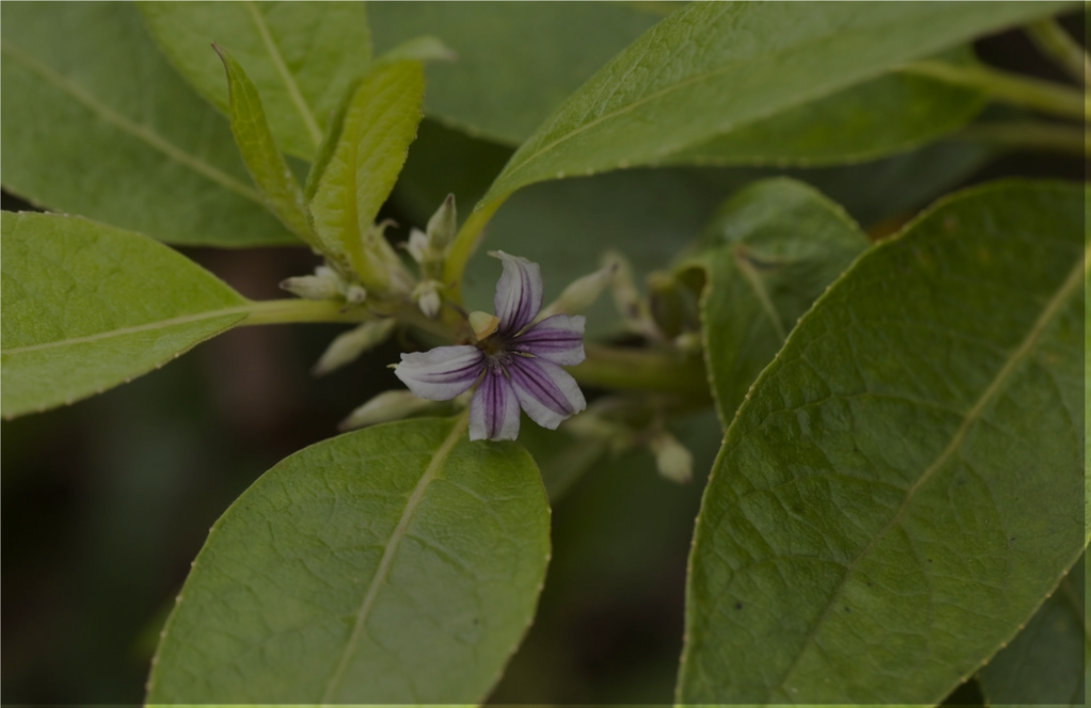
Lorem ipsum dolor sit amet, consectetur adipiscing elit, sed do eiusmod tempor incididunt ut labore et dolore magna aliqua. Ut enim ad minim veniam, quis nostrud exercitation ullamco laboris nisi ut aliquip ex ea commodo consequat. Duis aute irure dolor in reprehenderit in voluptate velit esse cillum dolore eu fugiat nulla pariatur. Excepteur sint occaecat cupidatat non proident, sunt in culpa qui officia deserunt mollit anim id est laborum.
Lorem ipsum dolor sit amet, consectetur adipiscing elit, sed do eiusmod tempor incididunt ut labore et dolore magna aliqua. Ut enim ad minim veniam, quis nostrud exercitation ullamco laboris nisi ut aliquip ex ea commodo consequat. Duis aute irure dolor in reprehenderit in voluptate velit esse cillum dolore eu fugiat nulla pariatur. Excepteur sint occaecat cupidatat non proident, sunt in culpa qui officia deserunt mollit anim id est laborum.
Lorem ipsum dolor sit amet, consectetur adipiscing elit, sed do eiusmod tempor incididunt ut labore et dolore magna aliqua. Ut enim ad minim veniam, quis nostrud exercitation ullamco laboris nisi ut aliquip ex ea commodo consequat. Duis aute irure dolor in reprehenderit in voluptate velit esse cillum dolore eu fugiat nulla pariatur. Excepteur sint occaecat cupidatat non proident, sunt in culpa qui officia deserunt mollit anim id est laborum.
Lorem ipsum dolor sit amet, consectetur adipiscing elit, sed do eiusmod tempor incididunt ut labore et dolore magna aliqua. Ut enim ad minim veniam, quis nostrud exercitation ullamco laboris nisi ut aliquip ex ea commodo consequat. Duis aute irure dolor in reprehenderit in voluptate velit esse cillum dolore eu fugiat nulla pariatur. Excepteur sint occaecat cupidatat non proident, sunt in culpa qui officia deserunt mollit anim id est laborum.
Lorem ipsum dolor sit amet, consectetur adipiscing elit, sed do eiusmod tempor incididunt ut labore et dolore magna aliqua. Ut enim ad minim veniam, quis nostrud exercitation ullamco laboris nisi ut aliquip ex ea commodo consequat. Duis aute irure dolor in reprehenderit in voluptate velit esse cillum dolore eu fugiat nulla pariatur. Excepteur sint occaecat cupidatat non proident, sunt in culpa qui officia deserunt mollit anim id est laborum.
Lorem ipsum dolor sit amet, consectetur adipiscing elit, sed do eiusmod tempor incididunt ut labore et dolore magna aliqua. Ut enim ad minim veniam, quis nostrud exercitation ullamco laboris nisi ut aliquip ex ea commodo consequat. Duis aute irure dolor in reprehenderit in voluptate velit esse cillum dolore eu fugiat nulla pariatur. Excepteur sint occaecat cupidatat non proident, sunt in culpa qui officia deserunt mollit anim id est laborum.
Thank you for your interest in submitting an image of
Select your image and leave a brief description of your photo below.