


| SNo. | Scientific Name | Locality | Habitat | Basis of Record | Description | Recorded By | Record Number | Island | Source | Date |
|---|---|---|---|---|---|---|---|---|---|---|
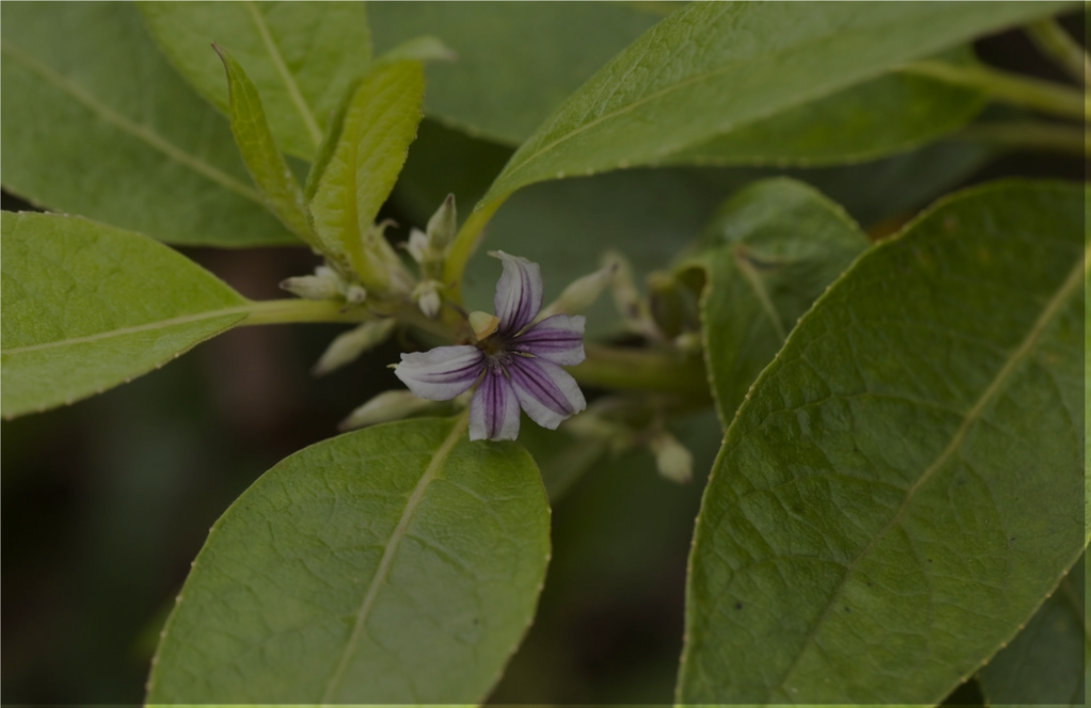
| 1 | Lobelia wahiawa | Locality redacted. Contact Bishop Museum Botany Department for details | Growing on near verticle cliff face with Vaccinium, numberous plants. | Preserved_Specimen | Erect herb up to 5 ft. tall. Spikes, 1 to 3 branched. Flowers white with purple veins, no scent. | Davis, J. | 113 | Kauai | BISH | 1979-09-02 |
| 2 | Lobelia wahiawa | Locality redacted. Contact Bishop Museum Botany Department for details | Growing on near verticle cliff face with Vaccinium, numberous plants. | Preserved_Specimen | Erect herb up to 5 ft. tall. Spikes, 1 to 3 branched. Flowers white with purple veins, no scent. | Davis, J. | 113 | Kauai | BISH | 1979-09-02 |
| 3 | Lobelia wahiawa | Locality redacted. Contact Bishop Museum Botany Department for details | Swamp | Preserved_Specimen | St.John, H. | 10849 | Kauai | BISH | 1930-12-29 | |
| 4 | Lobelia wahiawa | Locality redacted. Contact Bishop Museum Botany Department for details | Bog | Preserved_Specimen | Plants 5-12 ft. high, lvs. in a terminal tuft, spikes several, ascending, corolla whitish magenta in throad, magenta midveins, | St.John, H. | 13561 | Kauai | BISH | 1933-12-24 |
| 5 | Lobelia wahiawa | Locality redacted. Contact Bishop Museum Botany Department for details | Open swamp with some shrubby areas. | Preserved_Specimen | Sterile shrubs to 1,2 m. high, leaves shining dark green above, dull light green beneath, often with violet tip, flowering shrubs with 1 to 5 inflorescences, axis of inflorescence and bracts violet, receptacle green, calyx green with violet tint, corolla white with violet veins, style violet, fruits greenish violet. Frequent, but only one flowering plant seen. | Stauffer, H.U. | 5910 | Kauai | BISH | 1964-04-24 |
| 6 | Lobelia wahiawa | Locality redacted. Contact Bishop Museum Botany Department for details | Swamp | Preserved_Specimen | Stone, B.C. | 1536 | Kauai | BISH | 1956-12-27 | |
| 7 | Lobelia wahiawa | Locality redacted. Contact Bishop Museum Botany Department for details | Occasional along ridge line. Metrosideros-Cheirodendron mixed wet forest with matting ferns of Diplopterygium & Dicaranopteris with Broussaisia arguta, Touchardia labfolia, Psychotria mariniana, P. hexandra, Antidesma platyphylla, Kadua affins, Melicope wawraeana, Vaccinium calycinum, Coprosma kauaense, Dubautia lava. D. pale. | Preserved_Specimen | Tree, 4-branched; corolla white, immature. | Wood, K.R. | 15709 | Kauai | BISH | 2013-11-06 |
| 8 | Lobelia wahiawa | Locality redacted. Contact Bishop Museum Botany Department for details | Bog | Preserved_Specimen | Kato, T. | 2 | Kauai | BISH | 1960-11-26 | |
| 9 | Lobelia wahiawa | Locality redacted. Contact Bishop Museum Botany Department for details | Open bog. | Preserved_Specimen | Tall stem with crown of leaves. Height 2m. | MacDaniels, L.H. | 636 | Kauai | BISH | 1927-02-08 |
| 10 | Lobelia wahiawa | Locality redacted. Contact Bishop Museum Botany Department for details | Bog | Preserved_Specimen | Plants 5-12 ft. high, lvs. in a terminal tuft, spikes several, ascending, corolla whitish magenta in throad, magenta midveins, | St.John, H. | 13561 | Kauai | BISH | 1933-12-24 |
| 11 | Lobelia wahiawa | Locality redacted. Contact Bishop Museum Botany Department for details | Preserved_Specimen | Rock, J.F.C. | 12845 | Kauai | BISH | 1916-10-01 | ||
| 12 | Lobelia wahiawa | Locality redacted. Contact Bishop Museum Botany Department for details | Open bog. | Preserved_Specimen | Tall stem with crown of leaves. Height 2m. | MacDaniels, L.H. | 636 | Kauai | BISH | 1927-02-08 |
| 13 | Lobelia wahiawa | Locality redacted. Contact Bishop Museum Botany Department for details | Preserved_Specimen | Kores, P.J. | 113 | Kauai | BISH | 1979-09-02 | ||
| 14 | Lobelia wahiawa | Locality redacted. Contact Bishop Museum Botany Department for details | Preserved_Specimen | Cranwell, L.M. | 3047 | Kauai | BISH | 1938-08-23 | ||
| 15 | Lobelia wahiawa | Locality redacted. Contact Bishop Museum Botany Department for details | Preserved_Specimen | Forbes, C.N. | 294 | Kauai | BISH | 1909-08-01 | ||
| 16 | Lobelia wahiawa | Locality redacted. Contact Bishop Museum Botany Department for details | Preserved_Specimen | St.John, H. | 10849 | Kauai | BISH | 1930-12-29 | ||
| 17 | Lobelia wahiawa | Locality redacted. Contact Bishop Museum Botany Department for details | Preserved_Specimen | Rock, J.F.C. | 552 | Kauai | BISH | 1909-12-01 | ||
| 18 | Lobelia wahiawa | Locality redacted. Contact Bishop Museum Botany Department for details | Preserved_Specimen | Gustafson, R. | 1049 | Kauai | BISH | 1978-11-25 | ||
| 19 | Lobelia wahiawa | Locality redacted. Contact Bishop Museum Botany Department for details | Preserved_Specimen | Rock, J.F.C. | 5115 | Kauai | BISH | 1909-09-01 | ||
| 20 | Lobelia wahiawa | Locality redacted. Contact Bishop Museum Botany Department for details | Preserved_Specimen | Rock, J.F.C. | 122845 | Kauai | BISH | 1916-10-21 | ||
| 21 | Lobelia wahiawa | Locality redacted. Contact Bishop Museum Botany Department for details | Preserved_Specimen | Forbes, C.N. | Kauai | BISH | 1909-08-01 |
Lorem ipsum dolor sit amet, consectetur adipiscing elit, sed do eiusmod tempor incididunt ut labore et dolore magna aliqua. Ut enim ad minim veniam, quis nostrud exercitation ullamco laboris nisi ut aliquip ex ea commodo consequat. Duis aute irure dolor in reprehenderit in voluptate velit esse cillum dolore eu fugiat nulla pariatur. Excepteur sint occaecat cupidatat non proident, sunt in culpa qui officia deserunt mollit anim id est laborum.
Lorem ipsum dolor sit amet, consectetur adipiscing elit, sed do eiusmod tempor incididunt ut labore et dolore magna aliqua. Ut enim ad minim veniam, quis nostrud exercitation ullamco laboris nisi ut aliquip ex ea commodo consequat. Duis aute irure dolor in reprehenderit in voluptate velit esse cillum dolore eu fugiat nulla pariatur. Excepteur sint occaecat cupidatat non proident, sunt in culpa qui officia deserunt mollit anim id est laborum.
Lorem ipsum dolor sit amet, consectetur adipiscing elit, sed do eiusmod tempor incididunt ut labore et dolore magna aliqua. Ut enim ad minim veniam, quis nostrud exercitation ullamco laboris nisi ut aliquip ex ea commodo consequat. Duis aute irure dolor in reprehenderit in voluptate velit esse cillum dolore eu fugiat nulla pariatur. Excepteur sint occaecat cupidatat non proident, sunt in culpa qui officia deserunt mollit anim id est laborum.
Lorem ipsum dolor sit amet, consectetur adipiscing elit, sed do eiusmod tempor incididunt ut labore et dolore magna aliqua. Ut enim ad minim veniam, quis nostrud exercitation ullamco laboris nisi ut aliquip ex ea commodo consequat. Duis aute irure dolor in reprehenderit in voluptate velit esse cillum dolore eu fugiat nulla pariatur. Excepteur sint occaecat cupidatat non proident, sunt in culpa qui officia deserunt mollit anim id est laborum.
Lorem ipsum dolor sit amet, consectetur adipiscing elit, sed do eiusmod tempor incididunt ut labore et dolore magna aliqua. Ut enim ad minim veniam, quis nostrud exercitation ullamco laboris nisi ut aliquip ex ea commodo consequat. Duis aute irure dolor in reprehenderit in voluptate velit esse cillum dolore eu fugiat nulla pariatur. Excepteur sint occaecat cupidatat non proident, sunt in culpa qui officia deserunt mollit anim id est laborum.
Lorem ipsum dolor sit amet, consectetur adipiscing elit, sed do eiusmod tempor incididunt ut labore et dolore magna aliqua. Ut enim ad minim veniam, quis nostrud exercitation ullamco laboris nisi ut aliquip ex ea commodo consequat. Duis aute irure dolor in reprehenderit in voluptate velit esse cillum dolore eu fugiat nulla pariatur. Excepteur sint occaecat cupidatat non proident, sunt in culpa qui officia deserunt mollit anim id est laborum.
Thank you for your interest in submitting an image of
Select your image and leave a brief description of your photo below.